Brazilian Jiu-Jitsu is often seen as a physical activity that improves strength, coordination, and fitness. For kids, however, its benefits go far beyond movement and technique. Many parents today are looking for programs that support emotional growth just as much as physical development. Confidence, discipline, resilience, and emotional awareness have become just as important as athletic ability.
Through structured training and guided interaction, Brazilian Jiu-Jitsu offers children a unique environment where emotional intelligence develops naturally. On the mat, kids learn how to recognize their emotions, manage reactions, work with others, and build self-awareness in a healthy, age-appropriate way.
This blog will help you explore how BJJ supports emotional intelligence in children and why it plays a valuable role in long-term development.
Why Emotional Skills Are Essential for Children Today
Children today face constant stimulation and pressure from school expectations and peer relationships to screen time and busy schedules. Learning how to manage emotions has become a critical life skill. Emotional intelligence helps children handle frustration, communicate effectively, and respond calmly in challenging situations.
Brazilian Jiu-Jitsu creates a safe, active environment where these skills are practiced regularly. Rather than learning emotional control through lectures, kids experience it firsthand. Every class presents opportunities to pause, think, adapt, and stay composed, making emotional learning practical and meaningful.
Encouraging Self-Awareness Through Training
One of the most valuable emotional lessons kids gain from BJJ is self-awareness. During training, children become more aware of their strengths, limitations, and emotional responses. They learn how their bodies react under pressure and how their mindset affects performance.
Instructors often encourage reflection after drills or exercises, helping kids identify what they felt and why. Over time, this awareness builds a healthier sense of self-confidence. Children begin to understand themselves better, which is a key foundation of emotional intelligence.
Learning Self-Control in a Structured Environment
Brazilian Jiu-Jitsu requires patience, focus, and controlled movement. Kids learn to follow rules, wait for instructions, and manage impulses during close-contact training. Staying calm becomes essential—not just for safety, but for success.
Managing emotions on the mat helps children handle frustration more effectively. Instead of reacting impulsively, they learn to pause and think. These habits often carry over into daily life, supporting better behavior at home, school, and in social situations.
Transform Your Fitness Journey—Book a Free Trial Class!
Developing Empathy and Respect Through Partner Work
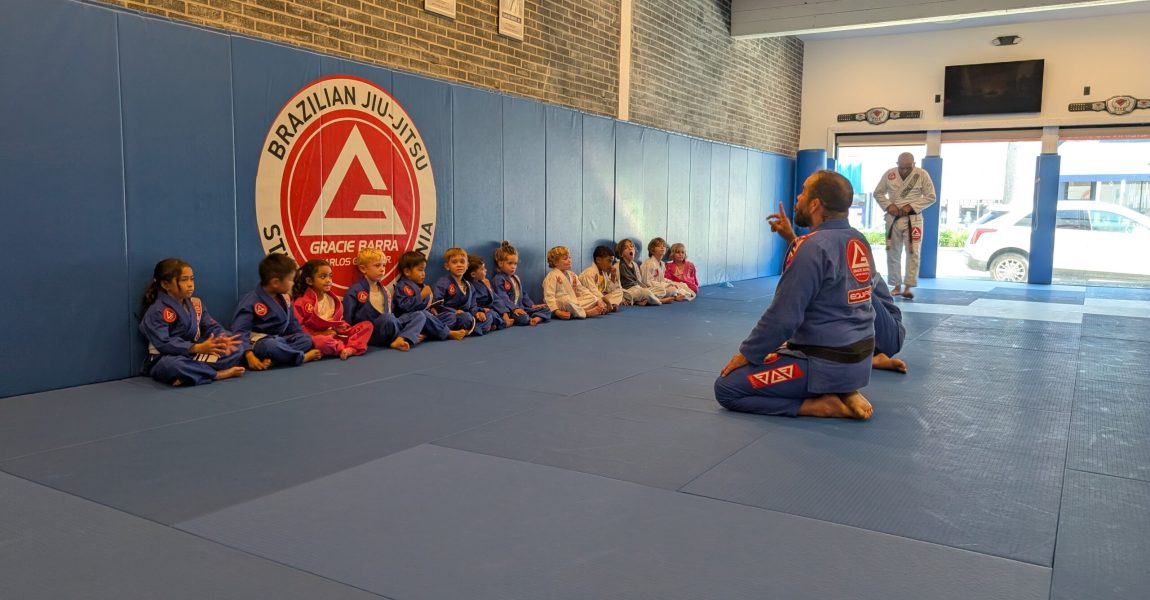
Partner drills play a central role in children’s BJJ classes. Kids train with classmates of different sizes, ages, and personalities, which helps them learn empathy and respect. They become more aware of how their actions affect others.
Children are taught to recognize when a partner is uncomfortable and to adjust their movements accordingly. Respecting boundaries, applying controlled pressure, and practicing kindness are built into the culture. Simple traditions like bowing, listening attentively, and thanking partners reinforce mutual respect and emotional awareness.
Managing Stress and Anxiety in a Healthy Way
Physical activity is a powerful tool for emotional balance, and BJJ provides an effective outlet for releasing stress. Movement, combined with breathing techniques, helps kids regulate their emotions during challenging moments.
Training also exposes children to controlled pressure in a safe environment. Learning how to stay calm while solving problems under pressure helps reduce anxiety over time. As kids become more comfortable handling discomfort, they develop resilience and emotional stability that extends beyond the mat.
Problem-Solving and Thoughtful Decision Making
Brazilian Jiu-Jitsu teaches kids to think rather than react. Emotional outbursts do not solve challenges on the mat strategy does. Children quickly learn that patience, planning, and adaptability lead to better outcomes.
Each situation requires thoughtful decision making. Kids must assess what is happening, choose an appropriate response, and adjust as needed. These problem-solving skills strengthen emotional regulation and help children make more balanced decisions in everyday life.
Building Confidence and Reducing Fear Gradually
Confidence in BJJ develops through consistent, achievable progress. Learning a new technique, improving balance, or successfully completing a drill gives kids a sense of accomplishment. Progress happens at an individual pace, which reduces pressure and comparison.
Facing small challenges regularly teaches children that fear can be managed. Over time, they become more comfortable trying new things and handling setbacks. This confidence supports healthier social interactions and a more positive approach to school and relationships.
The Role of Coaches as Positive Role Models
Instructors play a critical role in emotional development. Experienced coaches model patience, respect, and emotional discipline in every class. Children observe how adults handle mistakes, setbacks, and challenges calmly.
Supportive feedback and clear communication help kids feel safe and understood. This trust creates an environment where children are more willing to learn, participate, and grow emotionally.
Social Growth Within a Supportive Community
Group training encourages cooperation and teamwork. Kids learn to follow instructions, take turns, and support classmates. For shy or reserved children, this structured environment can make social interaction easier and more comfortable.
Being part of a community helps children develop a sense of belonging. Positive peer interactions strengthen communication skills and emotional maturity, contributing to long-term social confidence.
When Parents May Notice Emotional Progress
Many parents observe early improvements in focus, discipline, and confidence within a few weeks of consistent training. Emotional growth, however, develops gradually through repetition and reinforcement.
Long-term participation supports stronger empathy, better emotional regulation, and improved decision making. Progress depends on a child’s age, consistency, and comfort level, but steady practice often leads to meaningful, lasting changes.
Step Onto the Mat and Start Your BJJ Adventure!
What Parents Can Expect from Kids’ BJJ Programs in Studio City
Parents can expect age-appropriate instruction that prioritizes safety, emotional development, and personal growth. Classes are led by trained coaches who understand how children learn and grow emotionally.
A positive, respectful culture supports cooperation, confidence, and discipline. Through regular training, kids build friendships, emotional resilience, and skills that support them well beyond the mat.
Conclusion
Brazilian Jiu-Jitsuoffers children more than physical fitness, it supports emotional intelligence that helps them navigate everyday challenges with confidence and balance. From self-awareness and self-control to empathy and resilience, the lessons learned in BJJ extend into all areas of life.
For parents seeking an activity that nurtures both body and mind, martial arts can be a powerful option. Exploring a class allows families to see firsthand how structured training supports emotional growth in a positive, supportive environment.
Frequently Asked Questions
Yes. Gradual progress and achievable goals help children build confidence naturally.
Classes are structured, supervised, and designed with safety and age-appropriate instruction in mind.
Training teaches kids to stay calm, think strategically, and regulate emotional reactions.
Yes. The structured, supportive environment helps children gain confidence and social comfort over time.
Consistency matters more than frequency. Regular weekly training supports steady emotional development.