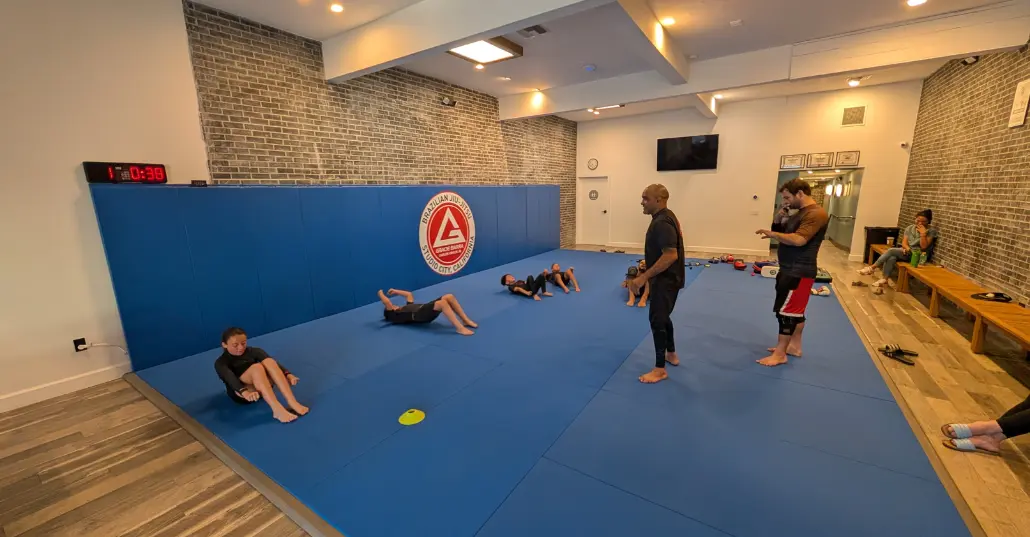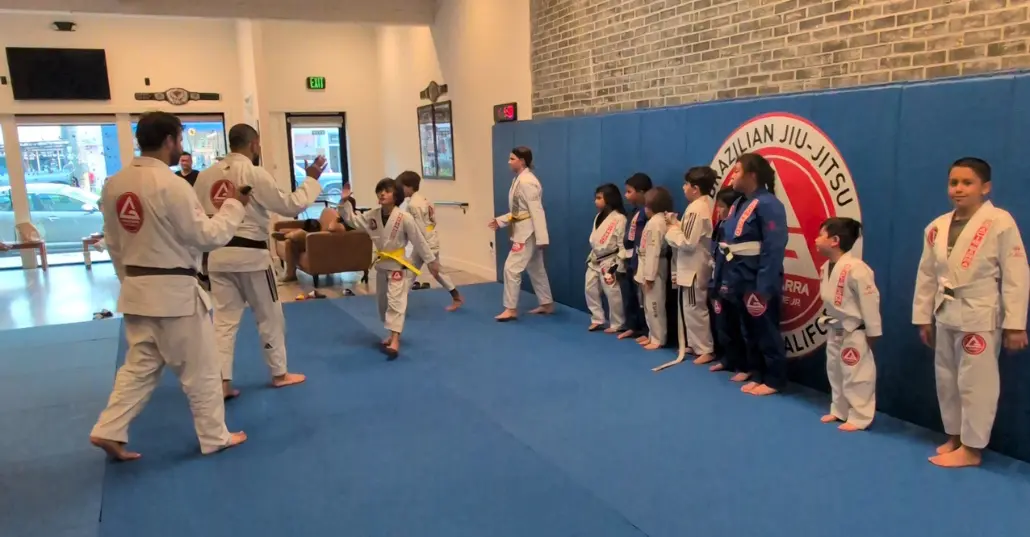
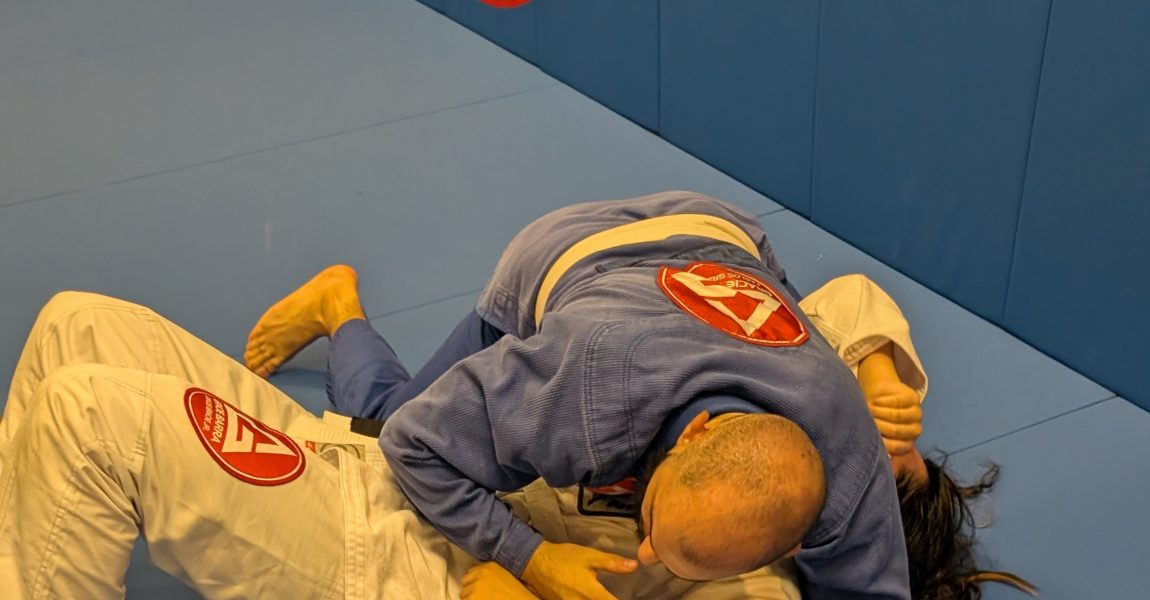
When people think about improving their fitness, the choice often comes down to two familiar options: traditional gym workouts or martial arts training. In Studio City and nearby areas, many adults and families weigh options like cardio machines, weightlifting programs, or structured martial arts classes when thinking about long-term health.
While gyms offer convenience and flexibility, research increasingly shows that martial arts training provides unique, sustainable fitness benefits that go beyond standard gym routines. From physical conditioning to mental resilience, martial arts engage the body and mind in ways that support long-term fitness gains rather than short-term results.
This article explores what research and real-world experience reveal about martial arts vs gym workouts, with a focus on long-term fitness, consistency, and overall well-being.
Why Long-Term Fitness Matters More Than Short-Term Results
Fitness trends come and go. High-intensity programs or short-term challenges may produce quick results, but many people struggle to maintain them over time. Long-term fitness depends less on intensity and more on consistency, enjoyment, and sustainable habits.
Research shows that people are more likely to stay active when exercise feels purposeful and engaging. Martial arts training supports this by offering structured learning, measurable progress, and ongoing skill development. Instead of repeating the same routines, students continue learning techniques that evolve with experience.
In contrast, gym motivation often fades once early results plateau. Without structure or progression, many people lose interest or struggle to maintain consistency.
What Research Shows About Exercise Adherence
Studies on exercise adherence consistently show that people stick with activities that are skill-based, social, and community-driven. Martial arts classes naturally support these factors through group training, instructor guidance, and partner-based drills.
Martial arts training builds accountability. Students train alongside others, receive regular feedback from instructors, and follow a structured curriculum. Progress feels tangible and rewarding, which encourages long-term participation.
Gym workouts rely heavily on self-motivation. While some thrive in that environment, many find it difficult to stay consistent without guidance or social reinforcement. Over time, this gap in adherence significantly affects long-term fitness outcomes.
Cardiovascular Endurance: Martial Arts vs Gym Training
Martial arts such as Brazilian Jiu-Jitsu (BJJ) and Muay Thai offer a combination of aerobic and anaerobic conditioning. Training includes short bursts of high intensity followed by controlled recovery, closely mimicking real-life physical demands.
Research shows that this type of varied conditioning improves cardiovascular efficiency, including VO₂ max and heart health. Because sessions constantly change, the body adapts without becoming accustomed to a single repetitive pattern.
Gym workouts can also improve endurance, particularly through treadmill or cycling routines. However, steady-state cardio often becomes repetitive, which may reduce long-term engagement and progression.
Transform Your Fitness Journey—Book a Free Trial Class!
Strength and Functional Power Development
One of the most significant fitness gains from martial arts is functional strength. Martial arts training emphasizes full-body movements that require balance, coordination, and core engagement.
Grappling, takedowns, clinch work, and pad drills activate stabilizing muscles that are rarely targeted by gym machines. Research supports that martial arts develops usable strength,strength that translates to daily movement, posture, and injury prevention.
Gym routines are effective for muscle development, but they often isolate muscle groups. Without functional integration, this strength may not carry over as effectively into real-world movement.
Flexibility, Balance, and Mobility Improvements
Martial arts training naturally incorporates dynamic movement, joint mobility, and controlled flexibility. Students regularly work through varied ranges of motion, especially in the hips, shoulders, and spine.
Studies show that martial arts training improves balance, coordination, and proprioception more effectively than traditional weightlifting alone. These benefits are especially important for older adults seeking long-term mobility and injury prevention.
Gym training can support flexibility when paired with consistent stretching, but many gym-goers skip this step, limiting long-term mobility gains.
Mental Health and Stress Relief Benefits
Unlike most gym workouts, martial arts require constant mental engagement. Focus, breathing control, and technical execution are central to every class.
Research shows that martial arts training reduces stress, lowers anxiety, and improves emotional regulation over time. The mental focus required during training helps students disconnect from daily pressures while developing greater self-awareness.
Gym exercise supports mental health through physical activity, but it often lacks the cognitive engagement and skill-building that martial arts provides.
Fat Loss and Body Composition Over Time
Martial arts training combines cardiovascular work, strength training, and mobility in a single session. This integrated approach increases calorie expenditure while supporting lean muscle development.
High-intensity intervals built into martial arts classes improve metabolic efficiency and long-term fat loss. Research indicates that consistent martial arts practitioners maintain healthier body composition over time compared to those following unstructured fitness routines.
Gym workouts can also support fat loss, but many people experience plateaus without varied training stimuli or progression.
Why Martial Arts Builds Long-Term Discipline Better
Martial arts programs are built around structure. Students follow a clear curriculum with progression goals, instructor feedback, and long-term milestones. This system encourages discipline, patience, and consistent effort.
Gyms often lack this level of guidance. Without structure, it becomes easier to skip sessions or lose direction. Over time, disciplined training habits directly influence fitness retention and long-term results.
Community Support and Accountability
Martial arts academies foster strong communities. Training partners encourage progress, instructors track development, and students grow together over time. This sense of belonging plays a key role in long-term commitment.
Gyms offer independence, but many people struggle without social accountability. Community-driven training environments consistently show higher retention and satisfaction.
What to Expect When Switching from Gym Workouts to Martial Arts
Many people notice improvements in mobility, stamina, and functional strength within weeks of starting martial arts. Classes feel engaging due to constant variation and skill development.
Beginners adapt quickly because training is structured, controlled, and focused on safety. Over time, consistency leads to fitness improvements that extend beyond physical appearance.
Step Onto the Mat and Start Your BJJ Adventure!
Conclusion
When comparing gym workouts vs martial arts, research and experience consistently show that martial arts provide stronger long-term fitness benefits. Through structured training, skill development, and community support, martial arts strengthens the body, sharpens the mind, and builds lasting discipline.
For those seeking sustainable fitness growth rather than short-term results, martial arts offers a balanced, engaging path to long-term health.
Frequently Asked Questions
Martial arts support long-term health through functional movement, mental engagement, and consistent training habits.
Most people see results training two to three times per week consistently.
Yes. Programs are designed for all levels, including complete beginners.
Yes. Martial arts combines strength, cardio, and mobility for balanced body composition.
With proper instruction and controlled training, martial arts can be adapted to support mobility and long-term health.