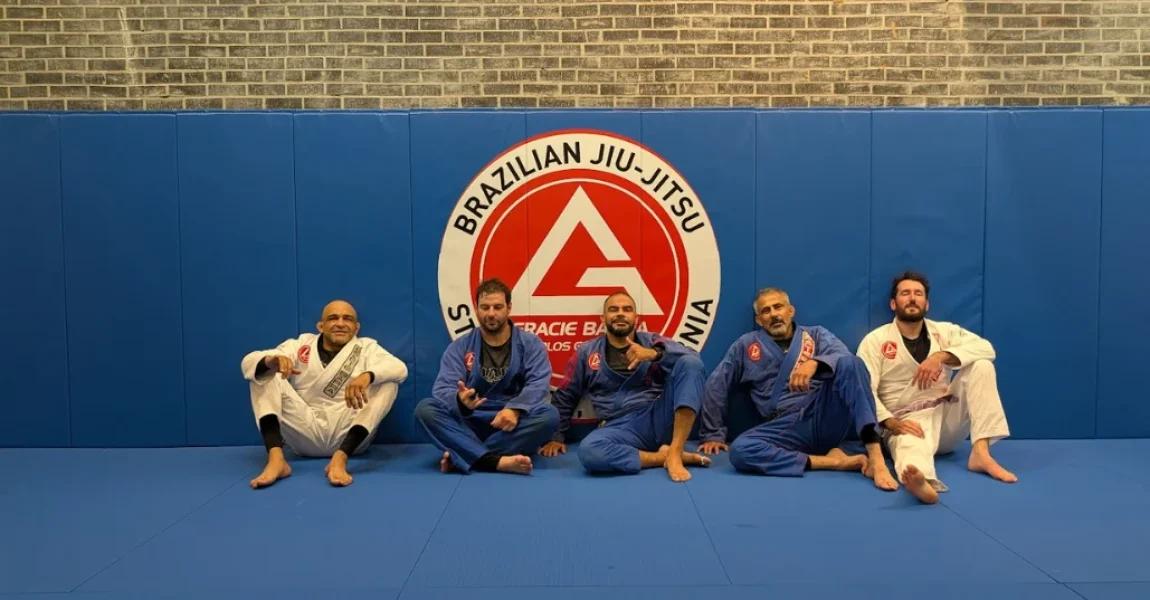
Many people have this question whether Muay Thai is good for self-defense. It is Known for its power, balance, and precision. This is an ancient martial art form which is one of the most effective and respected systems for real-world protection. Whether you’re looking to gain confidence, stay fit, or you want to learn how to protect yourself, Muay Thai self-defence training offers you a well-rounded path to both physical and mental strength.
In this blog, understand what makes Muay Thai as self defense so practical. And how it is different from other combat styles.
What Is Muay Thai & Why Is It Effective for Self-Defense
Muay Thai, means boxing in Thai. It is also called The Art of Eight Limbs. It teaches you to use your fists, elbows, knees, and shins together in a highly efficient way. Muay Thai develops full-body coordination and balance.
It’s practical for real-life situations because it trains awareness, quick reactions, and distance control. You learn to strike powerfully but also defend and counter when under pressure. Over time, it builds confidence that carries beyond the mat—helping you stay calm and alert in any situation.
How Muay Thai Differs from Boxing or Kickboxing
While boxing focuses only on punches, Muay Thai adds kicks, knees, and elbows giving you more tools to respond to threats. Kickboxing, on the other hand, includes kicks but often misses clinch training or close-range techniques.
Muay Thai practitioners develop clinch control, a skill that helps manage aggressive opponents up close without relying solely on brute strength. Combined with endurance, balance, and timing, it’s one of the most versatile striking arts for self-defense.
Can Muay Thai Really Work in a Real-Life Situation?
Absolutely. Muay Thai training builds reflexes that become second nature. It teaches you how to maintain control when emotions are high and space is limited. Techniques like teeps (push kicks) help create distance, while clinch control lets you neutralize an attacker quickly.
What makes Muay Thai good for self defense is its focus on practical movemen t you’re not memorizing choreographed patterns but reacting naturally to real pressure.
Transform Your Fitness Journey—Book a Free Trial Class!
When Will Your Muay Thai Training Start to Feel Effective?
How long before I actually feel like I can defend myself?” This question is very common amongst the students. Everyone has their own progress. But with consistent training you can start feeling improvements within just a few months.
If you train 2-3 times in a week, you will possibly see results in three to six months. And with that your balance will become sharper and your reactions faster. Because of consistency your body starts moving more flexibly.
Consistency is key for everything. You should not expect the results in the short term. Muay Thai is a long term skill and not something you will get quickly. With every session you will build another layer to your awareness and control. You have to be patient and over time you will start feeling your training is paying back.
The Most Useful Muay Thai Techniques for Self-Defense
Techniques are also an important part of a process. If you own the right technique you can defeat anyone. Here are some useful muay thai techniques for self- defense:
Striking Tools: we have a wide range of striking techniques in muay thai. It trains you to use every part of your body as a weapon which creates a strong advantage in close or mid-range encounters.
- Elbow strikes: it is short, sharp, and powerful. It is ideal if you are in close range.
- Knee strikes: it is very effective if you are in clinch control or when grabbed.
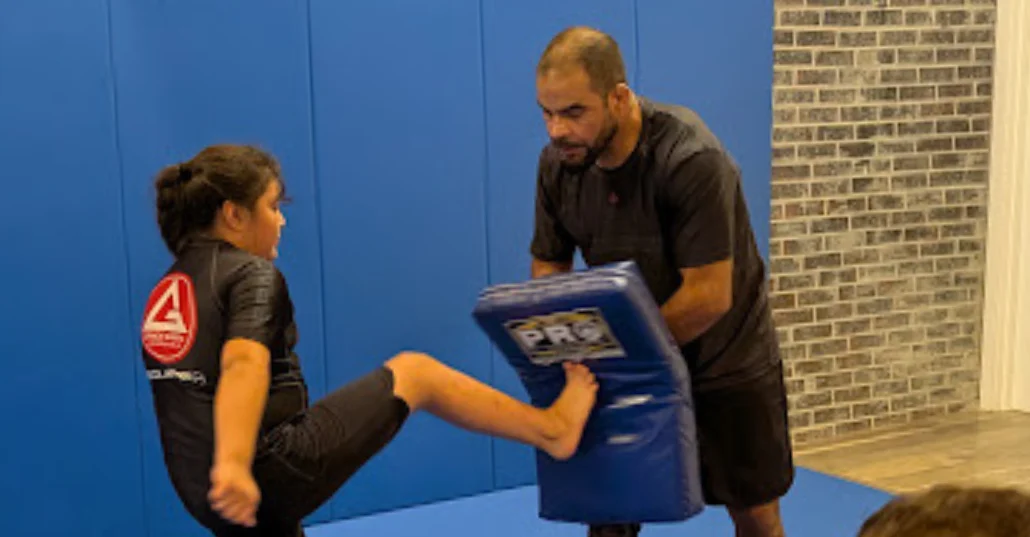
- Teep (push kick): it creates space, you push the attacker away. This makes them off balance. Also you get time to move or escape.
- Low kicks: this technique trains you to target the thigh or calf of the attacker. This slows their speed and disrupts their foot placement.
Defensive Tools: techniques that are used in order to protect the user, in contrast to their offensive counterparts. Here are some of them:
- Blocking and parrying strikes.
- Checking leg kicks.
- Controlling clinch positions to stay balanced and avoid takedowns.
Is Muay Thai Enough on Its Own for Self-Defense?
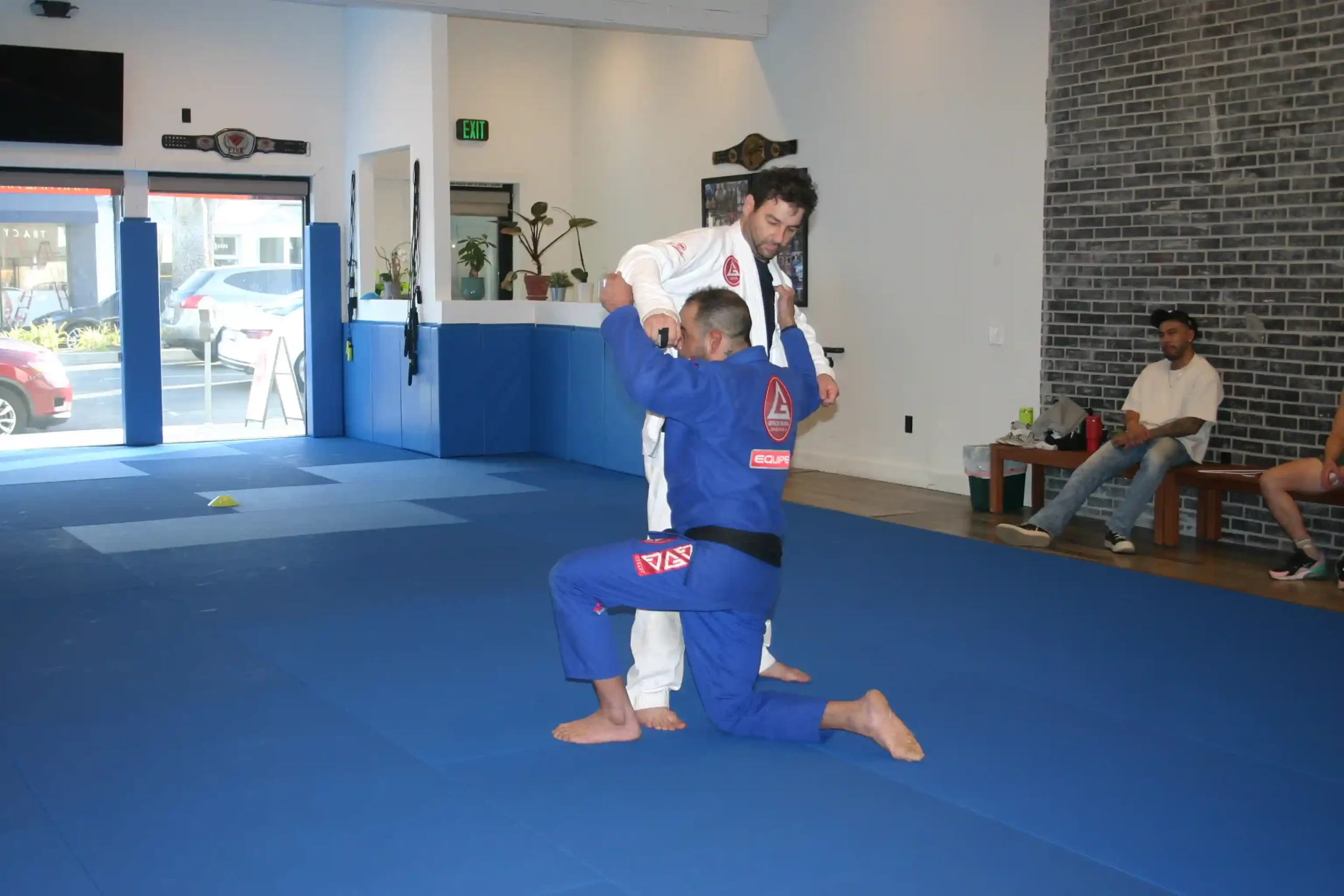
For most people, Muay Thai offers a strong foundation—it teaches control, striking, and confidence. However, it doesn’t include ground fighting or weapon defense. That’s why many students later combine it with Brazilian Jiu-Jitsu for a complete self-defense system.
If you’re new, starting with Muay Thai is perfect—it builds stamina, mental focus, and striking skill before adding other styles.
What to Expect in Your First Muay Thai Class in Studio City
It can be a little confusing and intimidating when it’s your first muay thai class. But you don’t have to worry, with our Los Angeles muay thai academy at studio city, we provide a friendly and encouraging environment. You will find people of all ages and with different levels of experience. They are trained together and grow at their own pace. Your first class is going to be comfortable with us.
What you should expect in beginning:
- Warm up: this will prepare your body. You can do jump rope or light jogging which will build your endurance, in the beginning. And also other warm ups like dynamic stretches and mobility work.
- Technique training : you will learn the basics. The instructor will bring you to fundamental movement. Stance and balance, basic strikes, pad work can be the fundamental movements.
- Partner practice: as a beginner you will work with a partner for light training techniques. These exercises will help you to learn timing and distance without pressure. You’ll practice techniques like blocking, light striking, or footwork patterns.
You’ll have all types of students from beginners to long-time members. And a welcoming community that supports every step of your journey.
You can Book Your Free Trial Class today to experience your first Muay Thai session in Studio City!
Key Skills for Beginners to Develop
As a beginner it’s important to develop these core skills. These skills set is the foundation for everything you’ll do later in muay thai.
- Stance and balance: it helps you maintain stability and helps you to move efficiently. It protects you from being knocked off balance.
- Footwork and distance control: this is something you will find in experts, they will have great footwork and distance control. You’ll learn how to move in and out of range and maintain distance from all opponents.
- Basic striking combinations: jab, cross, teep and low kick. These simple strikes are the foundation of muay thai. You will have better coordination as you will practice these skills. And overtime, your reactions will become natural and automatic.
How You can Track Your Progress in Muay Thai
Progress is not something that will be visible immediately. It takes time to show results. Progress is built through patience, practice and consistency. And tracking your growth helps you to stay motivated. You can see the growth by using these methods:
- By setting small and clear goals: you can set a goal like landing clean jabs, blocking three kicks in a row. Achieving these small targets will boost your confidence and keep you focused.
- You should keep a training journal: you should have a habit of writing down what you have learned or worked on each session whether its techniques, combinations, or areas that felt challenging. This will make you sharper and keep you on track.
- Ask for instructor feedback: your coach can spot the details which you may not be able to. It can be anything, your posture, timing, or techniques. Pointing out your mistakes is beneficial for you. It will fasten your growth.
- Celebrate the small wins: you should always cherish your big or small moments. Celebrating your progress will give you motivation to move forward.
Strengthen Your Self-Defense Beyond Muay Thai
- Learn situational awareness and de-escalation techniques.
- Cross-train in BJJ or wrestling for ground defense.
- Use role-play drills to simulate real-life encounters.
- Practice staying calm under pressure through breathwork and focus drills.
Step Onto the Mat and Start Your BJJ Adventure!
Is Muay Thai Suitable for Women, Kids, and Seniors?
It is suitable for women, kids, and seniors in every aspect. Muay Thai is adaptable for all ages.
Women often find it empowering for self-defense and fitness, kids build discipline and focus, and seniors enjoy improved mobility and balance.
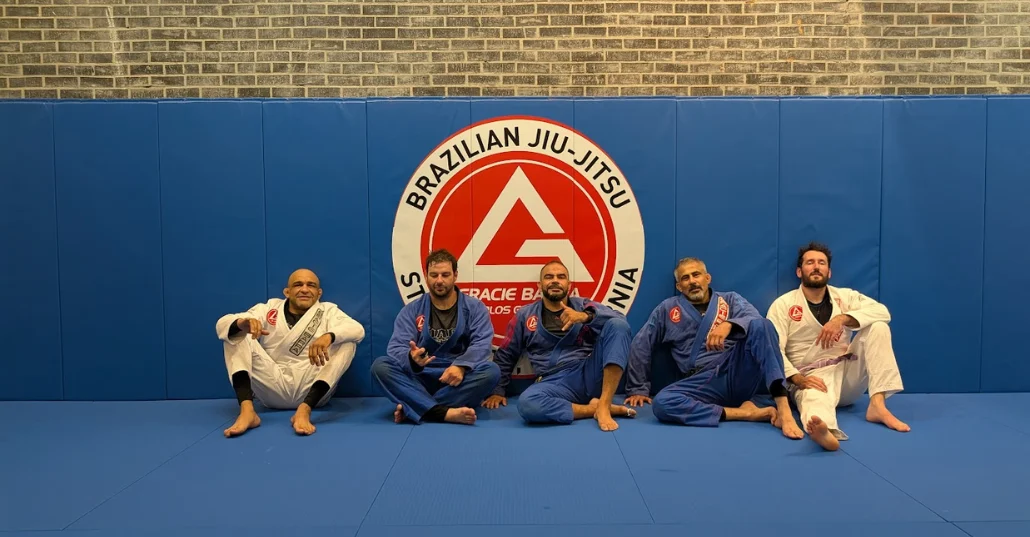
Classes at Gracie Barra Studio City prioritize control, safety, and respect, so everyone can learn at their own pace.
How to Choose the Right Muay Thai Gym
When you are exploring a Muay Thai membership, you should look for these points:
- Beginner-friendly programs.
- Instructors who emphasize practical self-defense over competition.
- Clean facilities and organized classes.
- A welcoming, community-driven environment.
Try a few trial sessions around Studio City, Burbank, or North Hollywood before committing you’ll know when you’ve found the right fit.
Take Your First Step Today
You don’t need to be in perfect shape to begin just showing up. Start with simple drills like stance, jab, and teep, and focus on consistency over intensity.
Join a Free Trial Class Today! Experience the energy, community, and structure that make Gracie Barra Studio City one of the most trusted places for Muay Thai classes in Los Angeles.
Frequently Asked Questions
Yes. It teaches balance, awareness, and practical striking that work in real situations.
With steady practice, most people feel confident applying techniques within a few months.
Absolutely. Classes are controlled, supervised, and focused on technique not aggression.
Muay Thai trains movement and space control, helping you avoid getting cornered.
Not for beginners. Light sparring is optional and introduced gradually.
Gloves, wraps, and shin guards are enough to start. Your gym can guide you on what’s best.