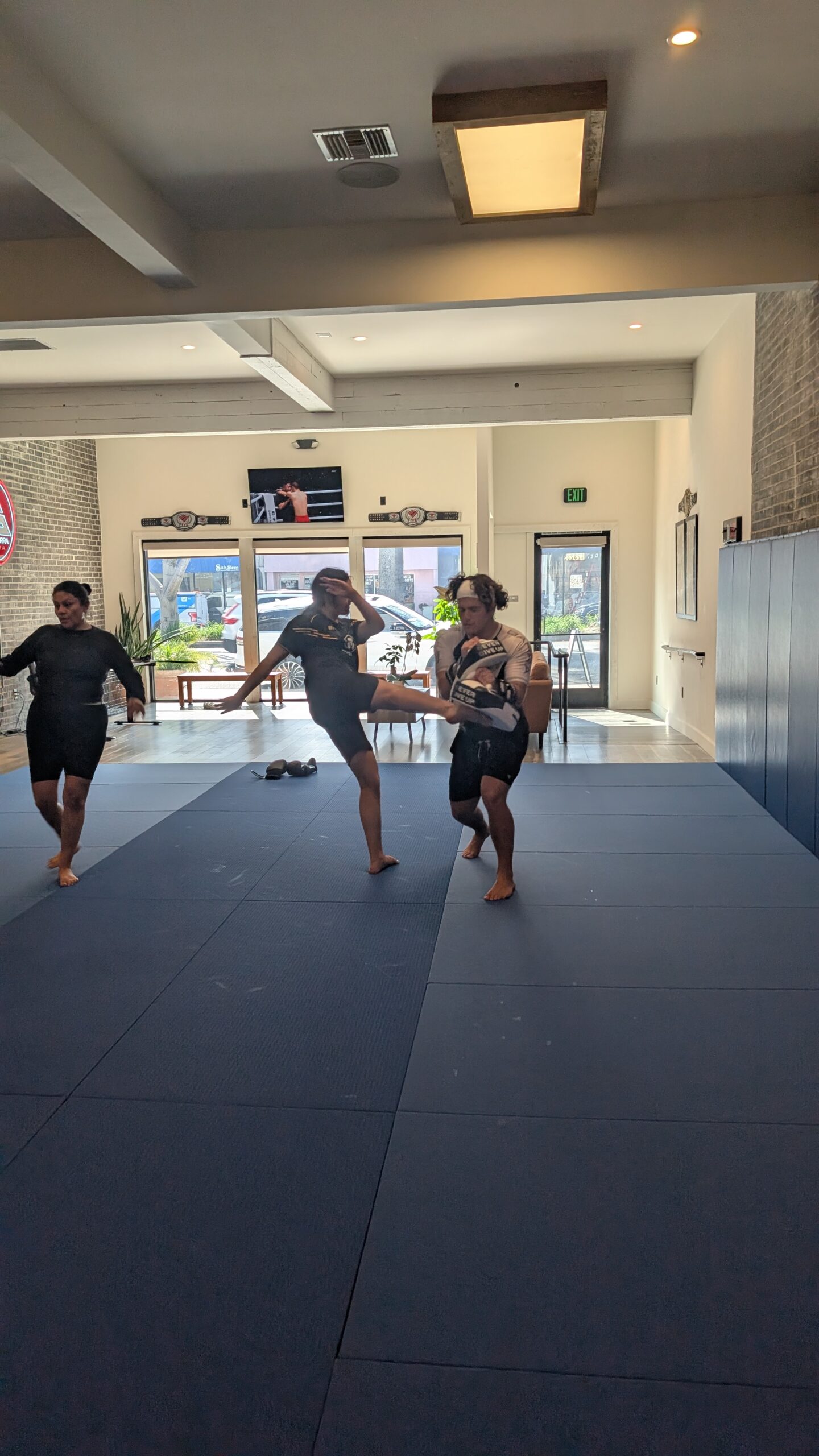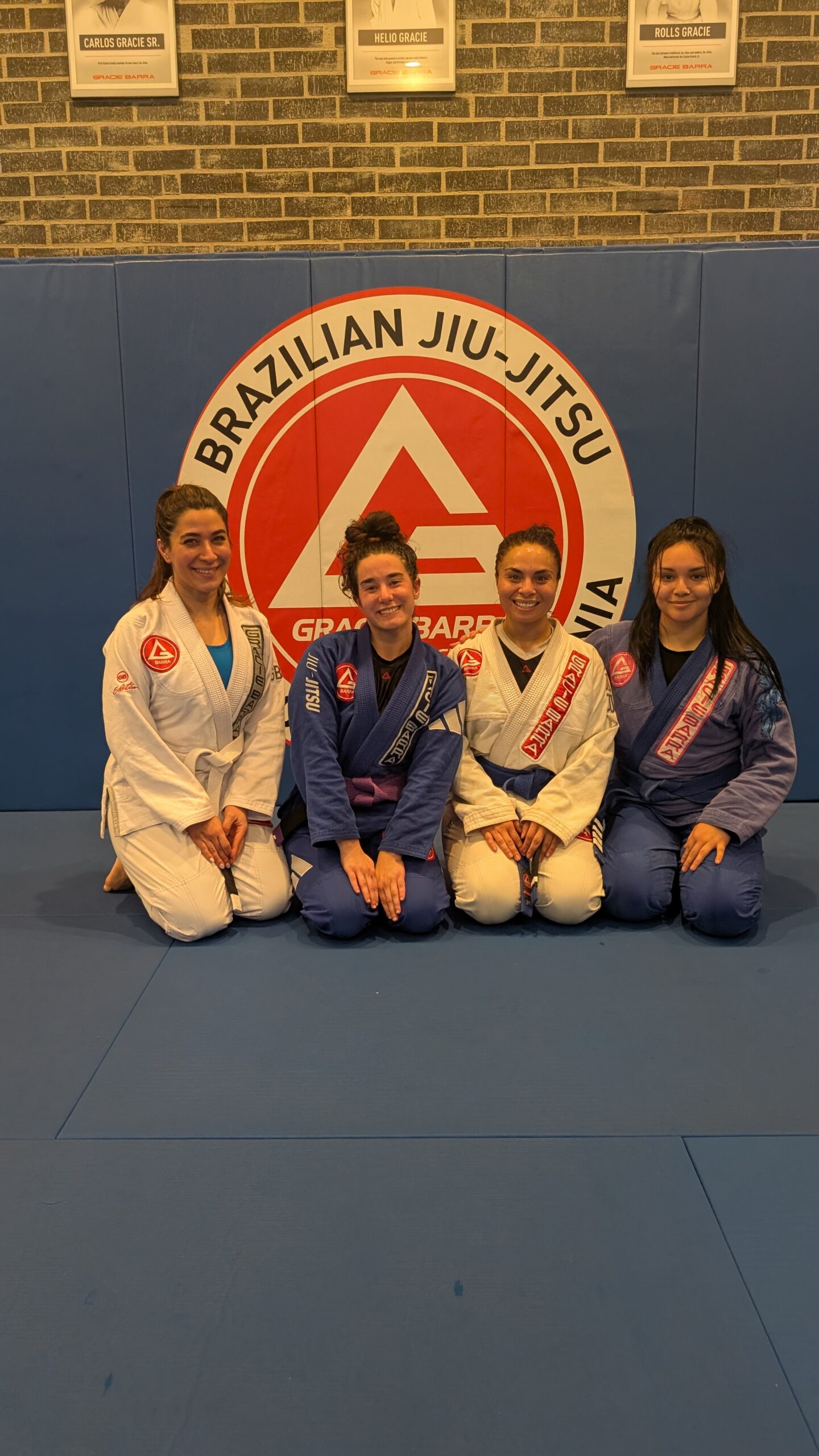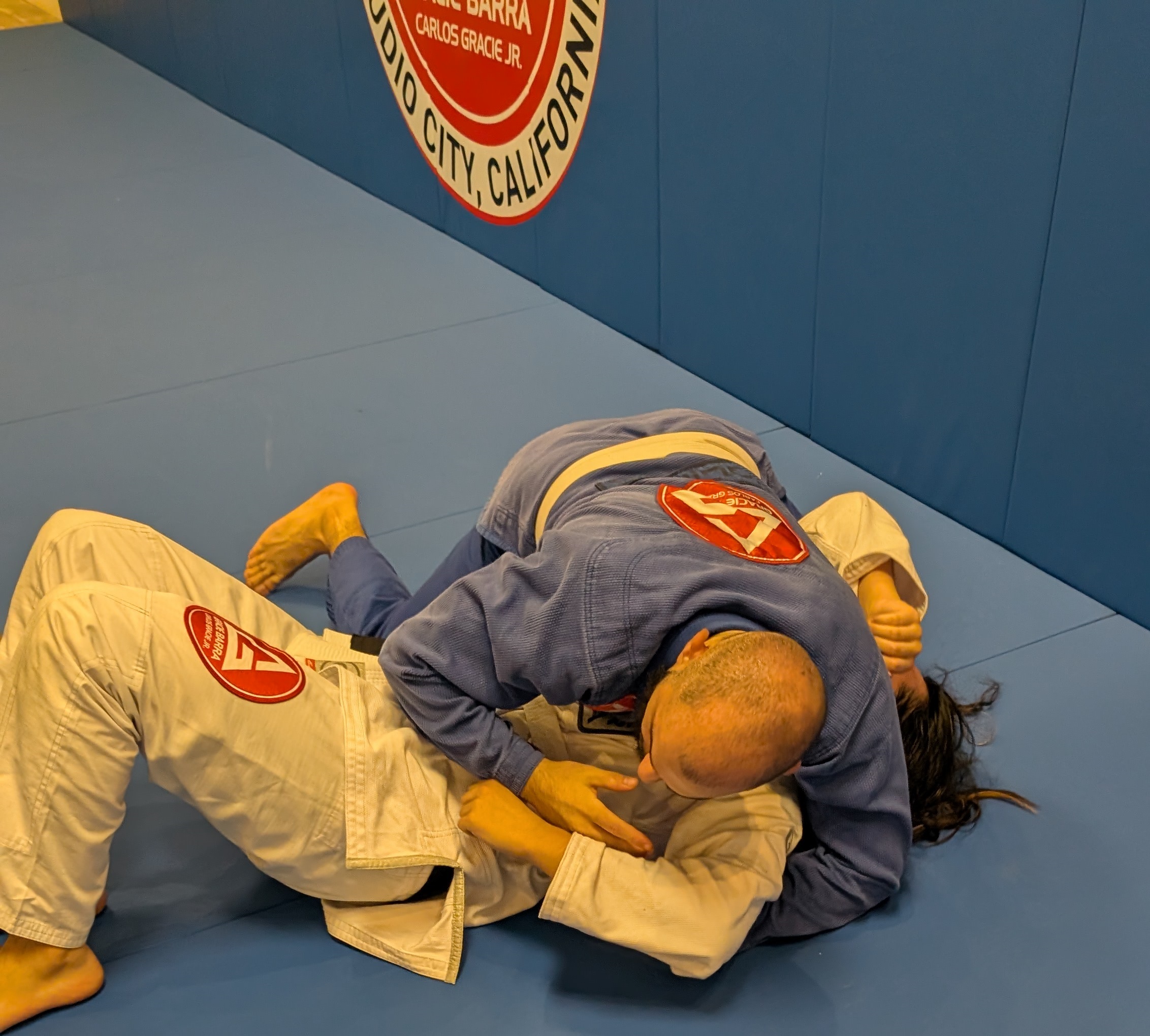
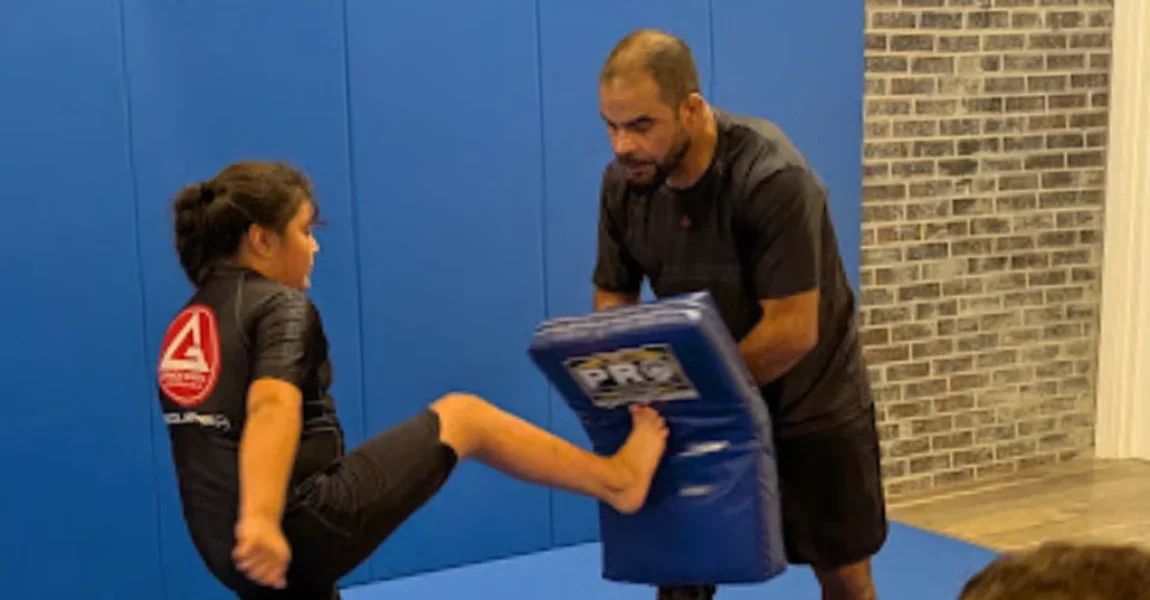
If you’re hoping to get stronger for Muay Thai, then you don’t have to become a bodybuilder. What matters is teaching your body to move faster, stay balanced, and keep control, whether you’re landing a kick or dodging a punch.
Think of strength training in Muay Thai as your secret weapon, not just for tougher strikes, but for quicker recovery and bouncing back from those little bangs and bruises we all pick up. Every session you put in helps protect you from injuries that could otherwise bench you for weeks.
This guide makes you understand what smart Muay Thai strength training really looks like. You’ll find tips on explosive power, lasting endurance, and smooth mobility even if you’re brand new, or you’ve got a spot at Gracie Barra Studio City.
Why Is Muay Thai Strength Training Different from Regular Gym Workouts?
In traditional gyms people focus on looks, but in Muay Thai training you develop explosive power, endurance, and balance that directly improve your performance in class or self-defense.
In a Muay Thai gym, workouts emphasize functional strength over isolated muscle work. Movements like squats, pull-ups, and medicine ball slams engage the whole body, improving coordination, speed, and control.
This training also builds explosiveness and stamina through jump squats, plyometrics, and core exercises. This helps you stay powerful even after many rounds. Mobility is also important. Focus on flexible hips, strong joints, and smooth movement instead of lifting heavy weights.
In traditional gyms you build muscle for looks and in Muay Thai classes you build functional strength that keeps you agile, powerful, and ready for anything.
What Do the Latest Stats Say About Muay Thai Training & Athlete Performance?
If you’ve been training Muay Thai seriously, you’re part of a sport that’s now recognised as one of the most conditioning-focused disciplines out there. Recent 2024–2025 studies show that experienced Muay Thai athletes hit VO₂ max levels around 55–60 ml/kg/min about the same as elite runners. That means if you’re training consistently, your cardio could reach elite endurance levels too.
When you warm up properly and keep mobility work in your routine, your risk of injury drops sharply. Most fighters only deal with minor strains or bruises, and recovery-focused sessions like active rest and stretching can cut downtime by up to 30%.
You’ll also notice a shift in how top fighters train now. Instead of chasing bulk, they’re focusing on explosive power, core strength, and flexibility, using kettlebells, resistance bands, and bodyweight circuits. The aim is speed, balance, and efficient recovery, the things that help you perform better round after round.
How Often Should You Do Strength Training as a Muay Thai Practitioner?
Finding the right balance between your Muay Thai training and strength work is key. If you’re a beginner, you should aim for two short strength sessions per week. You should focus on bodyweight and mobility exercises to build a solid base without overtraining your body.
Intermediate learners can increase to 3 sessions weekly. They can add compound lifts and explosive exercises like kettlebell swings or plyometrics to boost their power and endurance.
It’s important to balance this with your regular pad work, technique drills, and sparring. If you are strength training too much and not getting enough rest it can lead you to fatigue or slower reaction times.
Most athletes follow a 2:1 ratio. It means two days of Muay Thai-focused skill training for every strength day. while including at least one active recovery day, it can be like yoga, light jogging, or stretching to keep the body fresh and injury-free.
Transform Your Fitness Journey—Book a Free Trial Class!
What Are the Best Strength Exercises for Muay Thai Fighters?
If you are a Muay Thai fighter or want to be one you need full-body strength. You should not only have big muscles, but also power, control, and endurance that support every strike. The best exercises combine compound movements, explosiveness, and core stability.
Compound Lifts
You should do moves like squats, deadlifts, and pull-ups to build total-body power. These exercises will strengthen your legs, back, and core. Which will give you a stronger base for kicks, punches, and balance in the clinch.
Plyometrics
You should add explosive exercises like box jumps, jump squats, and medicine ball slams to your routine. They boost your reaction speed and striking power by training your fast-twitch muscles. This will help you generate force faster during combinations.
Core Strength
You need to keep your core strong to stabilize your strikes and sharpen your defense. Focus on planks, Russian twists, and hanging leg raises to build rotational power and stability through your midsection.
Grip and Forearm Strength
You’ll need strong hands and forearms for clinching, blocking, and controlling your opponent. Try farmer’s carries, towel pull-ups, and wrist curls to improve grip strength and stay in control during close exchanges.
Should You Train Full Body or Split Workouts for Muay Thai?
For most Muay Thai practitioners, full-body workouts are the way to go. They train multiple muscle groups together just like you move in Muay Thai.
- Pros of full-body sessions: build total strength, improve coordination, and save time.
- Cons: harder to recover from if you’re already training Muay Thai several times a week.If you train 2–3 days per week, aim for full-body sessions. For those with more time, a 3-day split (upper, lower, total) can work well. Just make sure your strength training doesn’t leave you too fatigued before hitting pads or sparring.
How Does Strength Training Improve Your Muay Thai Techniques?
Strength training isn’t just about power it makes your Muay Thai more efficient.
- Punching and kicking power: Stronger hips, core, and shoulders mean more force behind every strike.
- Clinch control and balance: Leg and grip strength help you stay stable and control your opponent.
Injury resilience: Strong knees, ankles, and shoulders handle the stress of training better, reducing downtime and helping you train longer.
What’s a Sample Weekly Muay Thai Strength Training Plan?
If you’re a beginner, keep things simple, doing three strength sessions a week is more than enough for you to build a solid base without burning out.
Here’s a sample beginner plan you can follow:
On day 1 you should do squats, pull-ups, and planks
On day 2 you should do deadlifts, push-ups, and medicine ball slams
On day 3 you should do kettlebell swings, lunges, and hanging leg raises
Start your Each session with a light warm-up. You can do skipping or mobility drills and you can end with a quick cooldown to help your muscles recover.
As you will get stronger, you can slowly add more weight or reps. But avoid pushing so hard that it affects your Muay Thai sessions. Balance and consistency matter more than lifting heavy every time.
What Should You Eat to Support Muay Thai Strength Training?
If you want to get a body like an athlete, you have to maintain a diet like them. If you want to train hard and recover well, follow the diet plan properly.
Before training:
You should have light carbs before your training. You can have fruit, oats, or rice. You can have these paired with a bit of protein. This will give you steady energy without feeling heavy during your session.
After training:
You need to focus on recovery after your training. For that you can have a mix of protein and complex carbs. This will rebuild your muscles and refill your energy stores.
Try to keep your macros balanced:
- Protein helps with your muscle repair.
- Carbs keep your energy levels up.
- Healthy fats support your hormone balance and joint health.
If you want an extra edge, you can consider supplements like creatine, protein powder, and electrolytes. They can help to boost recovery and keep you hydrated, especially after tough Muay Thai sessions.
What Are Common Mistakes People Make in Muay Thai Strength Training?
When you’re training hard, you forget that you have pushed too far or overlook the basics. Here are a few things you should keep in mind while training:
- Overtraining: Don’t skip your rest days. Your body needs time to recover. Otherwise you will get fatigue and injuries.
- Ignoring mobility: If your hips or shoulders feel tight, your strikes will slow down. Keep up with stretching and mobility work to stay smooth and explosive.
- Skipping legs or cardio: Muay Thai power starts from the ground up. Strong legs and good stamina are what keep your kicks sharp and your pace steady through every round.
- Not adjusting weights: Train smart, not just hard. If you’re sore or drained from sparring, lower the intensity instead of forcing heavy lifts. Listening to your body keeps you consistent and injury-free.
How Do You Track Progress and Know You’re Getting Stronger for Muay Thai?
The progress is not only counted in numbers. Your progress shows in more ways than one. Here are some ways:
- Track your strength: you should keep an eye on how much you can lift compared to your bodyweight. If you’re squatting or deadlifting more with good form, you’re getting stronger.
- Notice the small wins: when you start feeling steadier, your combinations hit sharper, or your clinch control has improved. Those are real signs of progress.
- Use simple tools: you should keep a training log, record short videos, or you can use RPE (rate of perceived exertion) to see how your each session feels. And with time you’ll see your power, control, and endurance build even if the scale doesn’t change much.
Should You Get a Coach or Train Strength on Your Own?
A coach is an expert and has more experience which is beneficial for you. A coach can fast-track your progress especially if you’re new to strength training. They’ll help you with proper form, structure, and recovery. Since they have proper knowledge of it.
You can also train strength on your own. There is no problem with that. You can learn from online programs or Muay Thai-specific strength templates can also work.
If you are going for a coach, Look for a coach who understands combat sports conditioning, not just general fitness.
How Does Mental Strength Fit into Muay Thai Training?
Your body might throw the punches, but your mind keeps you in the fight. Mental strength is what helps you push through tough rounds, stay calm under pressure, and keep learning even when things get frustrating.
You can use visualization to picture your combinations landing cleanly. Practice breath control to stay composed when your heart’s racing. Remember confidence doesn’t come from winning every round. It comes from knowing you’ve prepared the right way and given your best every time you step onto the mat.
Conclusion:
Start simple. Build consistency before complexity. Two to three quality workouts a week can transform your Muay Thai performance over time. Stay patient, focus on form, and track your progress every rep makes you stronger in body and mind.
Step Onto the Mat and Start Your BJJ Adventure!
Frequently Asked Questions
It is never like that you don’t have to be in shape before starting muay thai. People join the classes to get in shape. Classes scale to all fitness levels.
Muay Thai strength training focuses on speed, power, and endurance, not on bulking. So it will never make you bulky or slow.
It is totally your personal choice, most people do 2–3 Muay Thai classes and 2 strength sessions a week. You can do it according to your choice.
There is no restriction that only people in this age group can train. Although we can set the intensity of training according to the age groups. It is done for safety precautions
Every body is different but you can majorly stay hydrated, eat balanced meals, and get enough sleep. The recovery is part of training.
Once you’re comfortable with basic Muay Thai movements, start adding 1–2 short strength sessions weekly.
Look for a gym like Gracie Barra Studio City that offers qualified instructors, a safe training environment, and a supportive community.