Joint health is important for staying active and training comfortably over time. Many adults who consider martial arts worry about injuries, stiffness, or joint pain, especially when starting a new physical activity. Some people think martial arts training is only about speed, power, or intense
workouts. In reality, good training focuses much more on control and proper technique. Learning how to move correctly helps protect the body while still allowing students to build strength, skill, and confidence. Controlled movement is a key part of safe martial arts training. Instead of pushing the
body too hard, students learn to move with balance, awareness, and good posture. In this article, we explain how controlled movement supports joint health and why structured martial arts classes help students of all ages train safely and stay active for the long term.
Understanding Controlled Movement
Controlled movement refers to performing techniques with awareness, balance, and proper alignment. Instead of rushing through motions or relying on excessive force, students learn to move in a deliberate and efficient way. This approach places emphasis on mechanics. When a technique is
practiced correctly, the body moves in ways that support the joints rather than placing unnecessary stress on them. Students are also guided to move within safe ranges of motion. Over time, these movements improve flexibility and coordination without forcing the body into positions that could
cause discomfort or injury. As a result, controlled movement training improves both safety and performance. Techniques become smoother, more efficient, and easier to repeat consistently.
Why Joint Health Matters for Long-Term Training
Healthy joints allow students to train regularly and make steady progress over time. When joints are protected and supported properly, students can continue practicing without interruption. On the other hand, poor movement habits can place unnecessary strain on the body.
Repeated stress on the knees, hips, shoulders, or wrists may eventually lead to discomfort or reduced mobility. Long-term martial arts progress depends on sustainable training habits. Protecting the joints allows students to stay active and continue improving their skills for many years.
In disciplines such as Brazilian Jiu-Jitsu and Muay Thai, maintaining joint health in martial arts training is particularly important because many techniques rely on balance, leverage, and controlled body movement.
How Martial Arts Encourage Controlled Movement
Martial arts training environments naturally promote controlled movement because techniques must be practiced carefully to be effective. Students learn how to position their bodies correctly before applying any technique. Instructors guide them through step-by-step progressions that emphasize balance and posture.
Rather than relying on strength alone, students develop an understanding of timing, positioning, and efficient movement. This approach helps protect the body while improving technique. In Brazilian Jiu-Jitsu injury prevention, for example, students are taught how to move smoothly during transitions and maintain proper
body positioning. In Muay Thai joint safety, balance and controlled striking mechanics reduce unnecessary impact on the joints. These principles reinforce the importance of moving with precision rather than force.
Transform Your Fitness Journey—Book a Free Trial Class!
The Role of Proper Warm-Ups in Joint Protection
Warm-ups are an essential part of safe martial arts training. They prepare the body for movement and help reduce strain on joints during practice. A typical warm-up often includes:
- Light cardio to increase blood flow
- Joint mobility exercises for shoulders, hips, knees, and ankles
- Controlled stretching to improve range of motion
- Simple movement drills that activate the muscles used during training
These activities gradually prepare the body for more demanding movements. When joints are properly warmed up, they respond better to resistance, movement, and controlled impact. Structured warm-ups help reduce the risk of strain and support safer training sessions overall.
How Balance and Stability Protect the Joints
Balance and stability play a major role in protecting the joints during martial arts training. When students develop better balance, they are less likely to make sudden or awkward movements that could place stress on the body. Controlled footwork and stable positioning allow techniques to be performed smoothly.
Stability is also supported by strengthening the muscles that surround and support the joints. These muscles help absorb force and maintain proper alignment during movement. Through controlled drills and technique practice, students gradually develop improved coordination and body awareness.
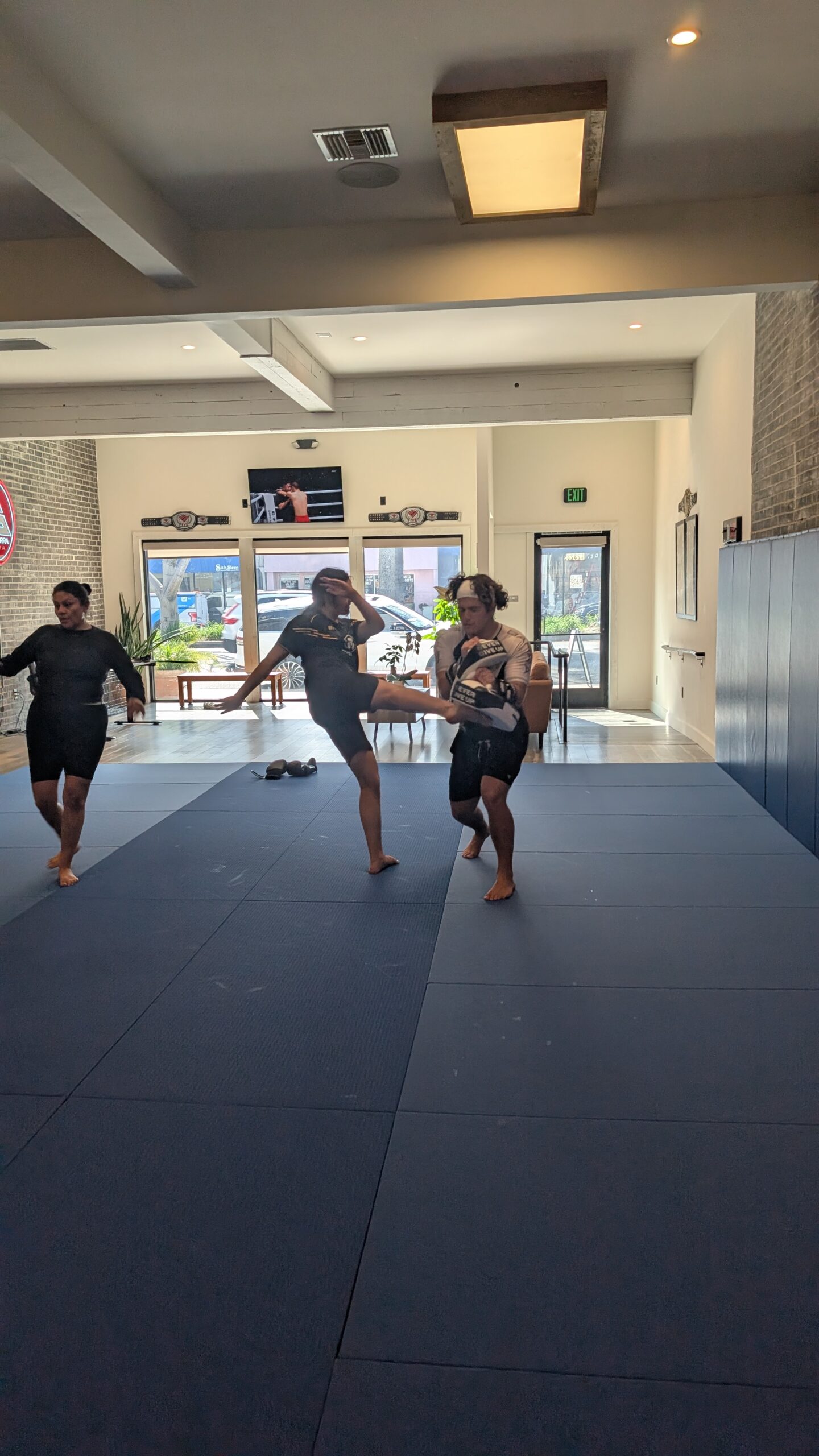
This combination of balance and stability supports safer sparring, pad work, and technical practice.
Why Repetition With Proper Form Matters
Repetition is a key part of learning martial arts techniques. However, the quality of those repetitions is just as important as the quantity. Correct repetition helps build muscle memory. As students practice techniques with proper form, their bodies gradually learn the most efficient movement patterns.
Repeating techniques with poor mechanics, on the other hand, can reinforce habits that place unnecessary stress on the joints. This is why instructors pay close attention to technique. Coaches often correct posture, foot placement, or alignment during drills to help students maintain safe and effective movement patterns.
Over time, consistent repetition with proper form supports long-term joint mobility and overall performance.
Common Mistakes That Strain Joints
Certain habits can place unnecessary stress on the joints during training, especially for beginners who are still learning proper technique. Some common mistakes include:
- Using excessive force before mastering the correct mechanics
- Locking joints instead of maintaining a slight bend or flexion
- Ignoring posture during drills or technique practice
- Skipping recovery routines such as stretching or mobility work
When these habits are corrected early, students can avoid unnecessary strain and continue training more comfortably. Structured instruction helps identify these issues quickly and replace them with healthier movement patterns.
How Controlled Training Benefits Adults and Beginners
Adults and beginners often appreciate training environments that focus on controlled movement and structured progression. For adults, especially those returning to exercise after a break, a controlled pace helps reduce the risk of overloading the joints too quickly.
Beginners benefit from the opportunity to learn techniques carefully without feeling pressured to perform at high intensity. This allows them to build strength and coordination gradually. Students who may have previous injuries or long gaps in physical activity can also rebuild their fitness safely through guided training.
This type of structured approach makes safe martial arts training accessible for people of different ages and experience levels.
Step Onto the Mat and Start Your BJJ Adventure!
The Connection Between Joint Health and Confidence
When students feel physically stable and free from discomfort, their confidence naturally improves. Healthy joints allow students to move more freely and focus on learning techniques rather than worrying about pain or injury. This leads to better participation and more consistent training.
Confidence also grows as students see their mobility improve over time. Controlled movement builds both physical capability and mental assurance.By protecting the body through proper training habits, students create a strong foundation for continued growth in martial arts.
What Students Can Expect at Gracie Barra Studio City
At Gracie Barra Studio City, classes are designed with safety, structure, and long-term development in mind.
Students can expect:
- Structured classes that emphasize safe progression and proper mechanics
- Experienced instructors who guide students through techniques step by step
- A clean, organized training environment that supports focused practice
- Programs suitable for beginners, experienced students, and all fitness levels
This structured approach helps students develop strong technique while protecting their bodies during training.For those interested in functional movement in Studio City, martial arts training offers a balanced way to build mobility, strength, and coordination.
Conclusion
Controlled movement is a key factor in maintaining long-term joint health and sustainable martial arts training. By focusing on proper mechanics, balanced movement, and structured instruction, students can improve their skills while protecting their bodies from unnecessary strain.
Safe training practices, warm-ups, and instructor guidance all work together to support healthy joints and consistent progress. Rather than focusing on intensity alone, successful martial arts training emphasizes technique, awareness, and steady development.
For students in Studio City and the surrounding areas, training in a structured and supportive environment can make martial arts both safe and rewarding for years to come. At Gracie Barra Studio City, students are guided through controlled, technique-focused classes designed to promote long-term health, confidence, and skill development.
Frequently Asked Questions
Controlled movement allows the body to perform techniques with proper alignment and balance. This reduces unnecessary strain on joints and helps maintain long-term mobility.
Yes. Structured training programs emphasize proper technique, gradual progression, and instructor supervision, which helps reduce the risk of joint strain.
Instructors teach techniques step by step, monitor student form during drills, and adjust training intensity based on experience level.
Proper mechanics help distribute force evenly through the body, reducing repeated stress on individual joints and lowering the likelihood of long-term injuries.
Yes. Martial arts can provide a balanced form of exercise that improves mobility, strength, and coordination while supporting long-term joint health.