Respect is one of the most important principles in martial arts training. It is not simply a rule students follow when they enter the academy. Instead, it forms the foundation of how martial arts are practiced, taught, and experienced every day. Many parents and adults look for martial arts programs
not only for fitness or self-defense but also for discipline, structure, and character development. A strong culture of respect helps students build these qualities while learning valuable skills. In a structured training environment, respect influences how students interact with instructors, training
partners, and even themselves. It encourages focus, cooperation, and accountability during every class. This article explores the role of respect in martial arts, how it shapes training culture, and why it matters for students of all ages in Studio City and nearby communities.
Respect as the Foundation of Martial Arts Culture
Martial arts traditions have long been rooted in respect. Across different styles and disciplines, respect forms the framework that keeps training environments organized, safe, and productive. Within structured martial arts classes, respect is reflected in simple yet meaningful behaviors.
Students greet instructors before class, listen carefully during instruction, and treat training partners with courtesy. These actions may seem small, but together they establish the culture of the academy. A respectful environment creates structure and order. Students understand expectations, instructors
maintain consistency, and everyone shares responsibility for maintaining a positive atmosphere. Most importantly, respect helps make training approachable. Beginners often feel nervous when trying something new, but a welcoming culture encourages them to participate, ask questions, and continue learning.
Respect Between Students and Instructors
A healthy martial arts environment relies on mutual respect between students and instructors. Students demonstrate respect by paying attention during instruction, following guidance carefully, and practicing techniques with focus. Listening and applying feedback helps them progress more
efficiently. Instructors also demonstrate respect toward their students. Professional coaches create a supportive learning environment by showing patience, offering clear explanations, and treating every student fairly. This balanced relationship builds trust. When students trust their instructors, they feel
comfortable learning new techniques, asking questions, and improving their skills. At the same time, instructors can provide constructive guidance that helps students grow both technically and mentally. Over time, this mutual respect becomes one of the most valuable aspects of martial arts discipline training.
Respect Among Training Partners
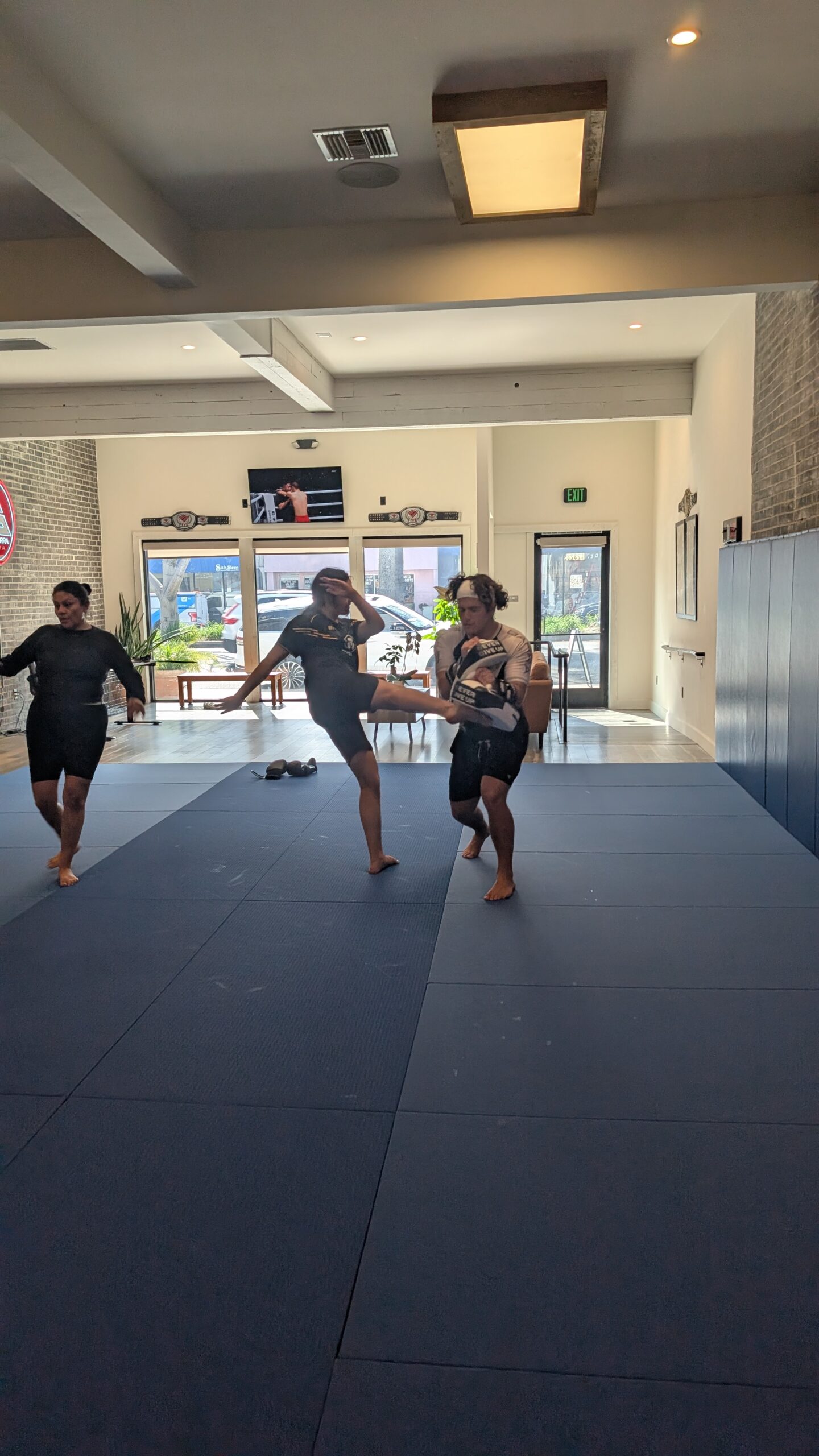
Martial arts training often requires students to work closely with partners. Drilling techniques, practicing positional movements, and participating in controlled sparring sessions all involve cooperation. Respect ensures that these interactions remain safe and productive.
Training partners rely on one another to practice correctly and maintain appropriate intensity. A respectful student pays attention to their partner’s safety, avoids unnecessary force, and focuses on learning rather than winning. For beginners especially, cooperation is far more important than
competition. Students learn that progress comes from teamwork and shared practice rather than individual ego. This mindset is particularly important in disciplines such as Brazilian Jiu-Jitsu and Muay Thai, where controlled training allows students to practice techniques without unnecessary risk.
Transform Your Fitness Journey—Book a Free Trial Class!
How Respect Supports Safe Training
Safety is a critical component of any martial arts academy, and respect plays a major role in maintaining it. When students respect their instructors and training partners, they are less likely to behave recklessly. They learn to control their movements, adjust intensity based on experience level,
and remain aware of their surroundings. Clear boundaries also reduce misunderstandings during practice. Students understand when to stop, how to communicate during drills, and when to slow down if something feels unsafe. A respectful training environment allows students to focus on
improvement rather than worrying about potential injuries. This sense of security is essential for both beginners and experienced practitioners.
Teaching Respect to Kids Through Martial Arts
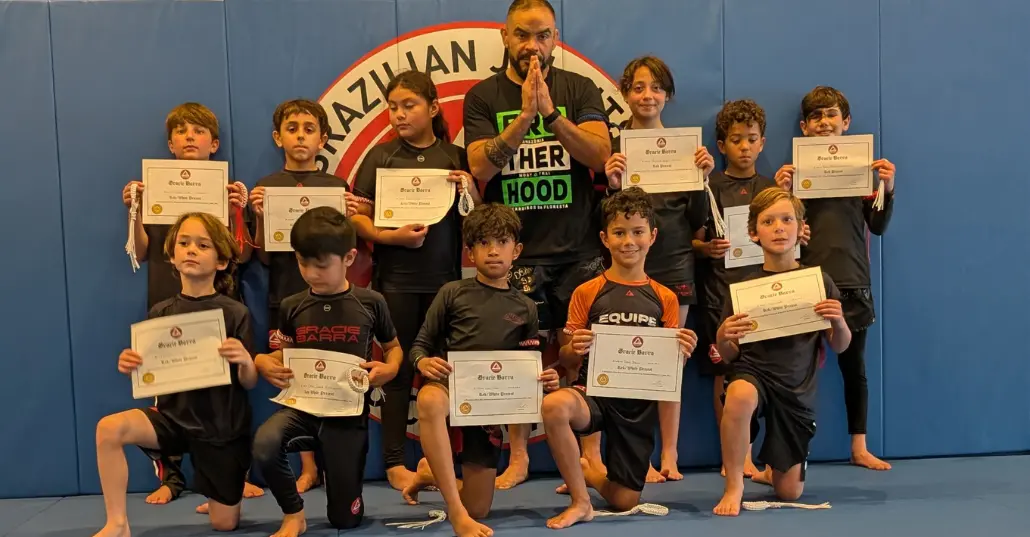
For many families, one of the biggest benefits of martial arts is the way it teaches respect and discipline to children. Kids learn to follow structured routines during class. They practice waiting their turn, listening to instructions, and participating with focus. These habits gradually become part of their everyday behavior.
Children also learn to communicate respectfully with instructors and classmates. Polite responses, attentive listening, and cooperative training are reinforced throughout every session. Over time, these lessons extend beyond the academy.
Many parents notice improvements in school behavior, attention span, and confidence as their children continue their martial arts discipline training.
How Adults Benefit From a Respectful Training Culture
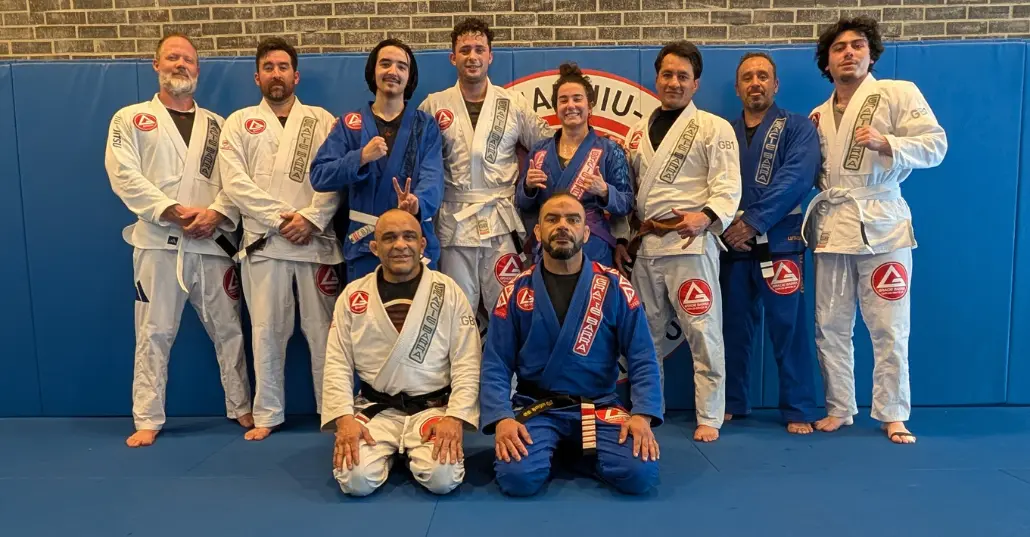
Adults also benefit greatly from a respectful martial arts environment. Starting a new activity can feel intimidating, especially for beginners who may worry about their fitness level or lack of experience. A respectful culture helps reduce this anxiety by creating a welcoming atmosphere.
Structured training environments allow adults to focus on learning techniques, improving fitness, and building confidence at their own pace. Professionals, parents, and individuals with busy schedules often appreciate the discipline and organization that martial arts classes provide.
Consistent routines and supportive instruction make it easier to stay committed to training over the long term. Within the martial arts culture in Studio City, this sense of structure and community is one of the reasons many adults choose to continue training year after year.
The Role of Discipline and Structure
Respect naturally supports discipline and structure in martial arts classes. Most academies follow clear routines that guide students through each training session. Classes typically begin with warm-ups, followed by technique instruction, drilling, and controlled practice. These routines reinforce
accountability. Students understand that improvement requires consistency, effort, and attention to detail. Structured classes also reduce confusion during training. Everyone knows what to expect, which helps create an organized learning environment. Over time, this structure helps students
develop patience and persistence, two qualities that are essential for long-term progress in martial arts.
Respect Builds Confidence Without Aggression
Martial arts training often helps students build confidence, but that confidence develops through skill and discipline rather than aggression. Respect plays an important role in maintaining this balance. Students learn to assert themselves while remaining calm and controlled. They practice techniques
carefully and respond thoughtfully during drills rather than reacting impulsively. As students improve their skills, they become more comfortable handling challenging situations. This steady progress builds self-assurance without encouraging hostility or dominance. The result is a healthier form of
confidence based on ability, awareness, and composure.
How Coaches Model Respect in Every Class
Instructors play a central role in shaping the culture of a martial arts academy. Coaches demonstrate respect through their behavior during every class. They communicate clearly, provide constructive corrections, and encourage students to continue improving. Rather than criticizing mistakes,
experienced instructors guide students with patience and practical feedback. This approach helps students learn without feeling discouraged. Coaches also treat every student equally, regardless of experience level. Beginners receive the same attention and encouragement as advanced students.
reinforcing the inclusive culture of the academy. When instructors consistently model respectful behavior, students naturally adopt the same mindset.
What Students Can Expect From a Respect-Based Training Environment in Studio City
A martial arts academy built on respect creates a positive and structured experience for every student. In structured martial arts classes, students can expect:
- Clean, organized training spaces that reflect professionalism
- Clear routines that prioritize safety and structured learning
- A welcoming community for students of all ages
- Experienced instructors who emphasize discipline, respect, and personal development
These elements combine to create a training environment where students feel comfortable, supported, and motivated to improve. For those exploring Brazilian Jiu-Jitsu values or seeking a positive Muay Thai training environment, this culture of respect is essential for long-term success.
Step Onto the Mat and Start Your BJJ Adventure!
Conclusion
Respect shapes nearly every aspect of martial arts training. It influences how students learn, how instructors teach, and how training partners interact with one another. Without respect, discipline and safety would be difficult to maintain. With it, martial arts become a structured and supportive environment where students can grow physically and mentally. For families, children, and adults
alike, training in a respectful academy offers far more than technical instruction. It builds character, confidence, and a strong sense of community. If you are exploring martial arts in Studio City or the surrounding areas, choosing an academy that values discipline, respect, and positive training culture
can make a meaningful difference. At Gracie Barra Studio City, students of all ages can experience structured classes, supportive coaching, and a respectful community built around the values of Brazilian Jiu-Jitsu and martial arts training.
Frequently Asked Questions
Respect helps maintain structure, safety, and cooperation within martial arts classes. It encourages students to listen to instructors, train responsibly with partners, and create a positive learning environment.
Structured routines, clear expectations, and instructor guidance help children practice focus and accountability. Over time, these habits strengthen discipline both inside and outside the academy.
Yes. Respect encourages students to control their movements, adjust intensity appropriately, and remain aware of their partners’ safety. This reduces unnecessary risks during practice.
Absolutely. Many adults appreciate the organized and supportive environment martial arts provide. Structured classes help beginners learn comfortably while building confidence and fitness.
A respectful academy maintains clean facilities, structured classes, clear instruction, and a welcoming community. Instructors emphasize safety, discipline, and positive behavior for students at every level.