When people first begin martial arts training, it’s common to focus on quick results. Many beginners start with high energy, pushing themselves through intense sessions or short bursts of effort, hoping to see rapid improvement. While that initial motivation can be helpful, it rarely sustains long-term progress. Real development in martial arts doesn’t come from occasional intensity; it comes from showing up regularly and building a steady rhythm.
A structured training routine, followed consistently over time, is what develops skill, confidence, and discipline. Whether someone is training in Muay Thai or following a Brazilian Jiu-Jitsu training routine, consistency in martial arts training is the factor that determines real, lasting progress.This blog explains why consistent practice matters more than short-term effort and how it supports sustainable growth for students of all ages.
Understanding the Difference Between Effort and Consistency
Short-term effort is often driven by motivation. It shows up as sudden bursts of energy—training hard for a few days or weeks before slowing down or stopping altogether. Consistency, on the other hand, is built through regular attendance and steady practice. It’s not about how hard someone trains in a single session but how often they return to the mat. Effort without consistency usually leads to uneven progress. Skills may improve briefly, then decline when training becomes irregular. In contrast, consistent training creates reliable improvement, allowing techniques to develop gradually and remain stable over time.
Why Consistency Leads to Better Skill Development
Martial arts techniques are not learned overnight. They require repetition, refinement, and patience. With regular practice, students begin to improve timing, coordination, and control. Movements that initially feel unfamiliar start to become more natural. This is how martial arts progress over time, through repeated exposure and gradual correction. Consistent training also allows students to build a strong technical foundation. Instead of rushing through techniques, they develop a deeper understanding of how movements work, which leads to better long-term performance.
How Structured Classes Support Consistent Training
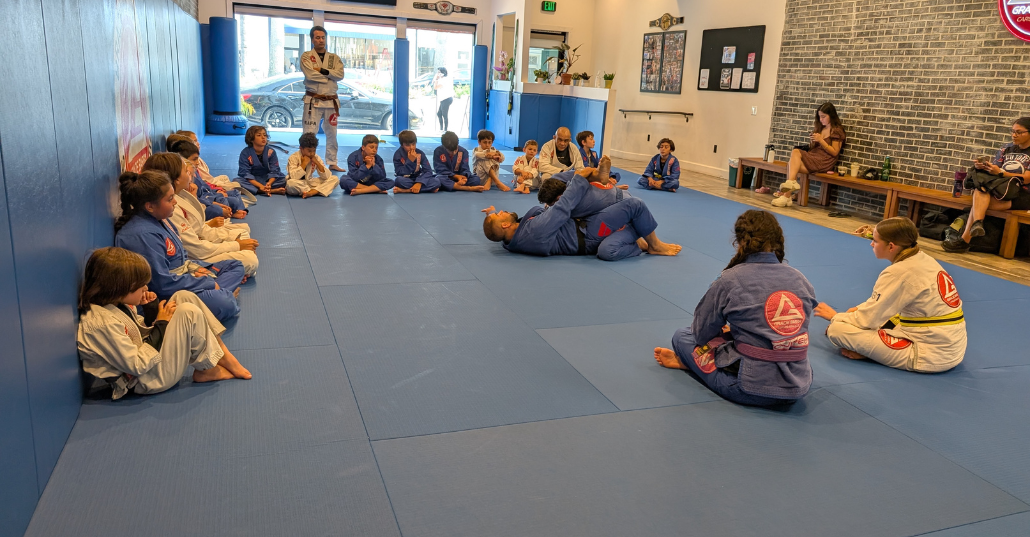
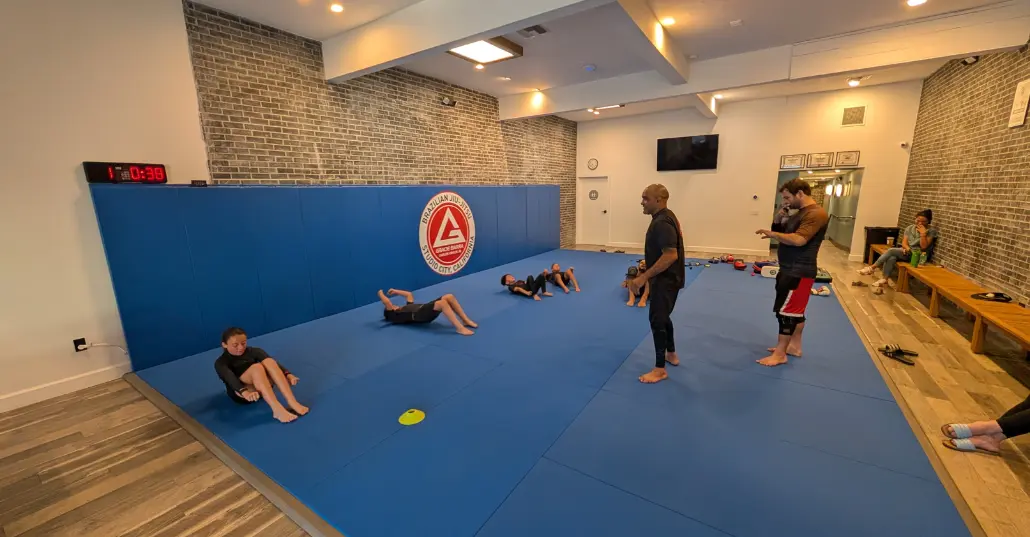
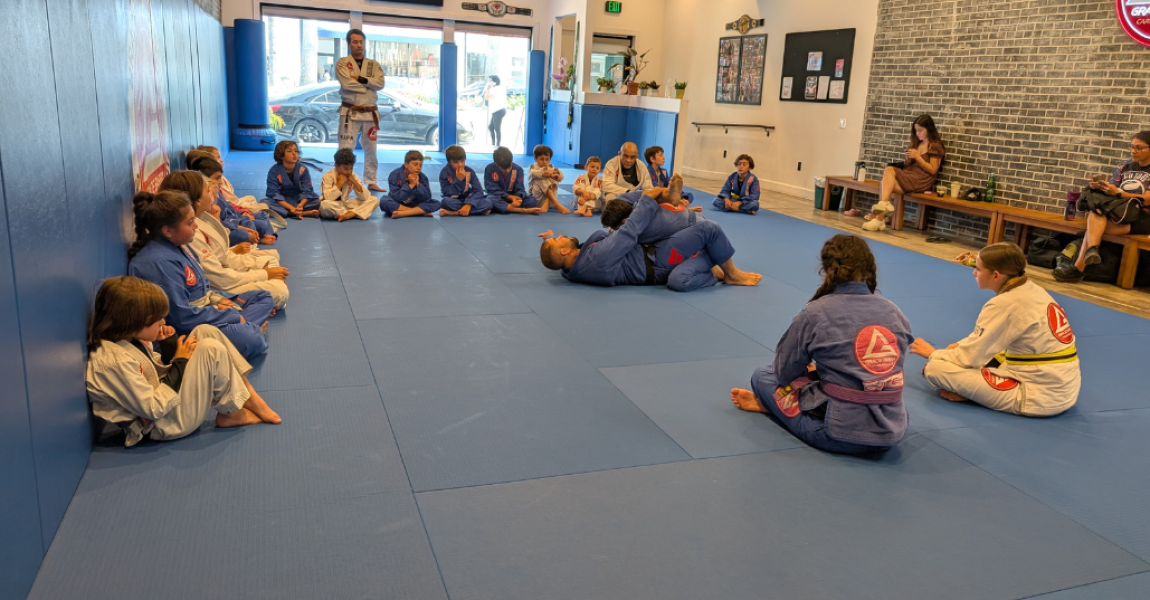
A structured training routine plays a critical role in maintaining consistency. Clear class schedules make it easier for students to commit. When training becomes part of a weekly routine, it requires less decision-making and feels more manageable. Predictable class formats also help. Students know what to expect warm-ups, technique practice, drilling, and controlled sparring—which reduces uncertainty and builds confidence.Step-by-step instruction ensures that learning happens progressively. Instead of feeling overwhelmed, students move forward at a steady pace, supported by a structured environment that encourages focus and continuity.
Transform Your Fitness Journey—Book a Free Trial Class!
The Role of Repetition in Long-Term Progress
Repetition is one of the most important elements of martial arts training. Practicing techniques regularly helps students understand movements more deeply. Over time, this repetition improves muscle memory, accuracy, and reaction time. Consistent drilling also reduces mistakes. Movements become more precise, and students can execute techniques with greater control. This leads to smoother, more confident performance during training. Without repetition, progress remains inconsistent. With it, skills become reliable and easier to apply under pressure. A key feature of skill-based training is its structured progression.
Students begin with foundational techniques and gradually advance to more complex movements, with each class building on previously learned skills to create a clear and logical pathway for improvement. This approach ensures that techniques are developed correctly from the start, reducing the risk of poor habits while supporting steady growth. As students continue training, progress becomes measurable over time, which helps maintain motivation and reinforces a sense of achievement. Instead of guessing what to do next or repeating the same routine, students follow a system designed to guide long-term development in a consistent and purposeful way.
Why Short-Term Intensity Can Lead to Burnout
Training intensely without consistency often leads to fatigue. Beginners who push too hard early on may experience physical exhaustion or mental burnout. This can result in missed classes, reduced motivation, or even quitting altogether. Irregular training patterns slow down overall progress and make it harder to build lasting habits. In contrast, a balanced and consistent approach supports sustainable development. Training at a manageable pace allows the body to recover and adapt, making it easier to stay committed over time.
How Consistency Builds Confidence Over Time
Confidence in martial arts doesn’t come from a single breakthrough; it builds gradually. With regular practice, students become more comfortable with techniques. Movements start to feel familiar, and small improvements become noticeable. This steady progress reduces self-doubt. Instead of feeling uncertain, students begin to trust their abilities. Confidence grows naturally as skills develop, reinforcing the value of consistent training.
How Consistent Training Benefits Kids and Adults
Consistency plays an important role for both children and adults, though the benefits may show up differently. For kids, regular classes help build discipline and routine. They learn the importance of commitment, patience, and following a structured process. For adults, a consistent schedule makes training easier to integrate into daily life. It provides a reliable way to maintain long-term fitness habits without overwhelming their routine.In both cases, consistency removes pressure. Progress becomes steady and predictable, allowing students to improve without feeling rushed.
The Role of Coaches in Supporting Consistency
Instructors play a key role in helping students stay consistent.They encourage steady attendance and set realistic expectations for progress. Instead of focusing on quick results, they guide students toward gradual improvement.Classes are designed to be manageable, with clear instruction and structured progression. This helps students stay engaged and avoid feeling overwhelmed. A supportive coaching environment also makes a difference. When students feel guided and encouraged, they are more likely to remain committed to their training routine.
What Students Can Expect From Consistent Training in Studio City
Students training in Studio City can expect programs designed around long-term progress rather than short-term intensity. Classes follow clear, structured routines that make training easier to maintain. Instruction focuses on steady improvement, ensuring that students build skills gradually and effectively. Experienced instructors provide guidance at every stage, helping students stay consistent while developing confidence and control. The overall environment supports regular participation, making it easier for students to build habits that last.
Step Onto the Mat and Start Your BJJ Adventure!
Conclusion
Consistency is the foundation of progress in martial arts. While short-term effort may feel productive, it is regular, structured training that leads to meaningful improvement over time. By focusing on consistency in martial arts training, students develop stronger skills, greater confidence, and lasting discipline. Progress becomes steady, sustainable, and far more reliable. Instead of chasing quick results, the focus should remain on showing up, practicing regularly, and trusting the process. For those in Studio City and surrounding areas, consistent training offers a clear path toward long-term growth, both on and off the mat.
Frequently Asked Questions
Consistency allows techniques to develop gradually, improves retention, and ensures steady progress. It helps students build a strong foundation rather than relying on temporary improvements
Most beginners benefit from training two to three times per week. This frequency supports skill development while allowing enough time for recovery.
No. While intense sessions can be beneficial, they cannot replace the long-term benefits of consistent training. Irregular practice often leads to slower progress and reduced retention.
Structured classes provide clear schedules, predictable formats, and guided instruction. This makes it easier for students to stay committed and follow a regular routine.
Yes. With a structured training routine, martial arts can fit into most schedules. Consistency matters more than frequency, so even a few regular sessions per week can lead to meaningful progress.