Martial arts training is often associated with striking, grappling, conditioning, and skill development. However, one of the most important elements of long-term progress begins before the first drill and continues after the final round. Proper warm-ups for martial arts and structured cool-down routines for training are essential components of safe training practices. Many beginners focus primarily on learning techniques or building endurance. While those areas are important, preparation and recovery play an equally vital role.
Thoughtful warm-ups and cool-downs support injury prevention in martial arts, improve performance, and help students train consistently over time. Whether someone is new to Muay Thai or progressing in Brazilian Jiu-Jitsu, these phases protect both body and mindset. This guide explains how warm-ups and cool-downs support safe, structured training for students of all ages and experience levels.
Why Warm-Ups Matter in Martial Arts Training
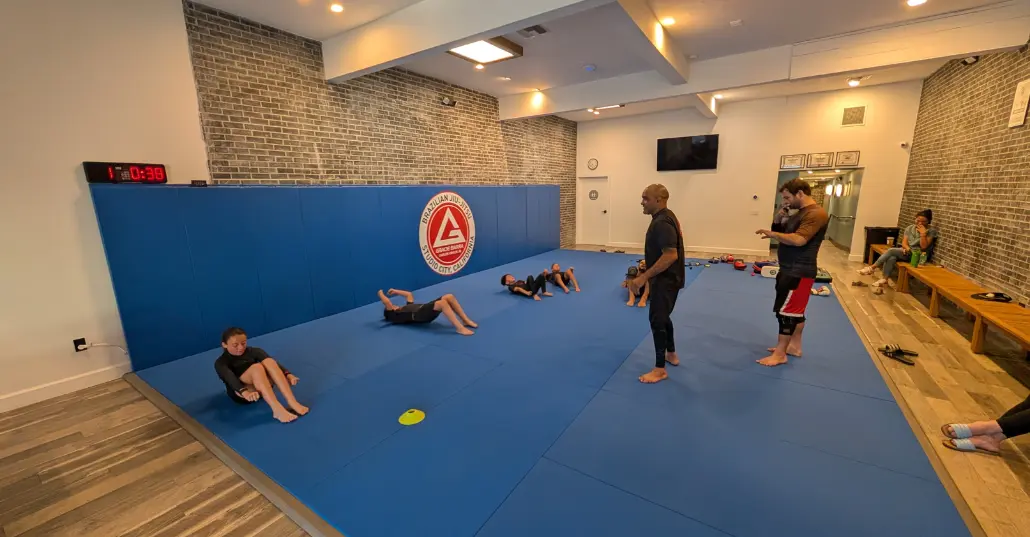
Warm-ups prepare the body for movement, contact, and coordination. Rather than jumping straight into drills or sparring, students gradually increase their heart rate and activate major muscle groups. This controlled progression allows muscles and joints to respond more effectively once training intensity rises. When the body is properly prepared, the risk of sudden strains or awkward movements decreases. Warm tissues are more elastic and responsive, making them less vulnerable to injury.
Beyond physical readiness, warm-ups also help students settle into the session mentally. A gradual start builds confidence and focus before technical instruction begins. These martial arts warm-up benefits extend across disciplines, supporting both striking arts and grappling systems.
How Warm-Ups Improve Movement and Technique
Dynamic warm-ups enhance joint mobility and muscle coordination. Instead of static stretching alone, students move through controlled ranges of motion that mirror the patterns used later in class. This primes the nervous system and improves responsiveness. Prepared muscles react more efficiently, allowing movements to feel smoother and more controlled. In disciplines like Muay Thai and Brazilian Jiu-Jitsu, balance and precision are essential.
When the body is ready, students can focus fully on technique rather than compensating for stiffness or instability. Improved movement quality also supports safer partner work. Controlled reactions and stable positioning reduce unnecessary impact or imbalance during drills. This reinforces both skill development and overall Muay Thai and BJJ safety training standards.
Transform Your Fitness Journey—Book a Free Trial Class!
Common Warm-Up Elements Used in Safe Training
Structured warm-ups typically include light cardiovascular movement to increase blood flow and gently elevate heart rate. This may be followed by joint mobility exercises targeting the shoulders, hips, knees, and ankles, areas heavily used in martial arts training. Controlled stretching supports functional range of motion without forcing flexibility.
Simple movement drills then bridge the gap between preparation and technical practice, allowing the body to rehearse patterns that will appear later in class. Each component works together to prepare students gradually and responsibly.
The Role of Warm-Ups in Injury Prevention
Cold muscles are more prone to strain, and stiff joints may not move through safe ranges under pressure. A thoughtful warm-up reduces these risks by improving circulation, flexibility, and coordination before intensity increases. Prepared bodies absorb impact and resistance more effectively. This is especially important for beginners who are still developing awareness and for older students whose recovery needs may differ.
Injury prevention in martial arts depends heavily on respecting this preparation phase. Safe training is not accidental; it is built into the structure of each session.
Why Cool-Downs Are Just as Important as Warm-Ups
While preparation sets the tone for training, recovery determines how the body responds afterward. Cool-down routines for training help students transition gradually out of high-intensity activity. Rather than stopping abruptly, light movement allows the heart rate to return to normal at a steady pace. Muscles begin to relax, and breathing becomes more controlled.
This structured conclusion supports comfort and reduces the abrupt fatigue that can follow demanding sessions. Students leave class feeling balanced rather than depleted.
How Cool-Downs Support Long-Term Training Consistency
Consistency is central to progress in martial arts. Cool-downs contribute to that consistency by supporting recovery between sessions. Stretching after class helps maintain flexibility and reduce tightness in heavily used muscle groups. When soreness is managed effectively, students are more prepared to return for the next class.
Recovery routines also encourage body awareness, helping practitioners recognize when they need rest or adjustment. Over time, these habits reinforce sustainable training patterns and protect long-term development.
Common Cool-Down Practices in Martial Arts Training
Effective cool-downs often begin with light movement to slow breathing and heart rate. Gentle stretching then focuses on major muscle groups engaged during class, including the legs, hips, shoulders, and back. Breathing exercises promote relaxation and help reset the nervous system after physical exertion.
Some sessions may also include brief moments of reflection, encouraging students to mentally review techniques learned that day. This calm conclusion supports both physical recovery and mental clarity.
How Coaches Guide Safe Warm-Ups and Cool-Downs
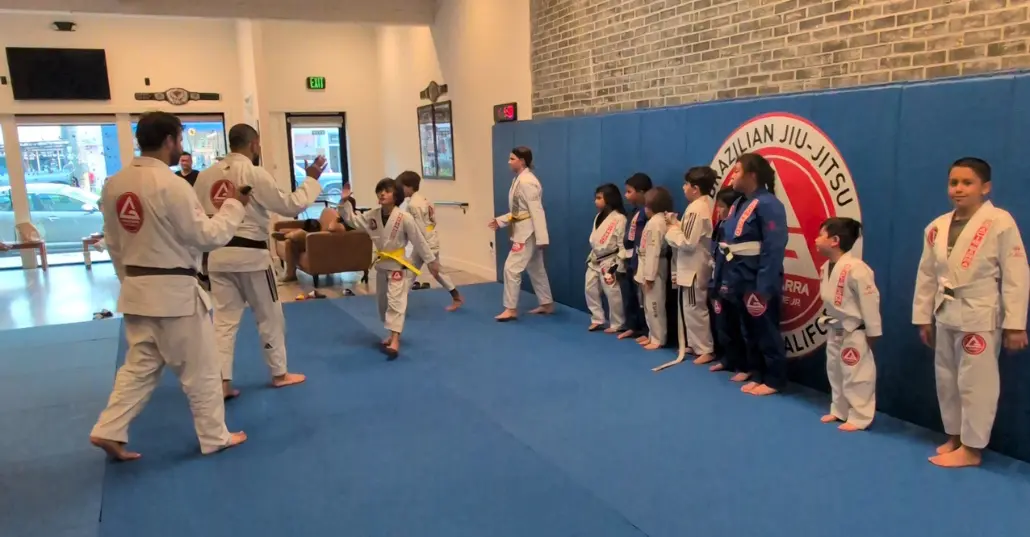
Experienced instructors play a key role in maintaining safe training practices. Coaches demonstrate proper movement patterns, set an appropriate pace, and adjust exercises based on class composition. Warm-ups and cool-downs are modified for different age groups and experience levels. Younger students may focus on coordination and controlled energy, while adults may require more targeted mobility work.
Clear instruction ensures that each movement remains controlled and purposeful. Guided structure eliminates confusion and reinforces a safety-first environment.
How Beginners Benefit Most from Structured Preparation and Recovery
Beginners are still learning how their bodies respond to new physical demands. Without structured preparation, they may feel uncertain or tense at the start of class. A consistent warm-up builds familiarity and reduces hesitation. Cool-downs are equally valuable for newcomers. They help prevent excessive soreness and reduce the likelihood of early burnout.
When students leave class feeling physically stable and mentally settled, they are more likely to return with confidence. These early positive experiences shape long-term engagement.
Step Onto the Mat and Start Your BJJ Adventure!
What Students Can Expect from Safe Training Practices in Studio City
Students training in Studio City can expect structured classes that include proper warm-ups for martial arts and guided cool-down routines for training. Preparation and recovery are integrated into every session, not treated as optional extras. Classes are conducted in a clean, organized environment focused on well-being. Instructors prioritize safety, ensuring that drills and conditioning align with individual skill levels.
Training is designed to support children, teens, and adults at various stages of fitness and experience. This commitment to safety allows students to pursue their goals with clarity and confidence.
Conclusion
Proper warm-ups and cool-downs are foundational to safe and effective martial arts training. Preparation protects the body before intensity increases, while recovery supports consistency and comfort afterward. Injury prevention in martial arts depends not only on technique but also on respecting these structured phases. Students who value preparation and recovery build stronger habits and enjoy steadier progress over time.
If you are in Studio City or nearby areas, experience structured and safety-focused training at Gracie Barra Studio City, where preparation and recovery are treated as essential parts of every class.
Frequently Asked Questions
Warm-ups prepare muscles, joints, and the cardiovascular system for movement. They reduce injury risk and improve coordination before drills begin.
A typical warm-up lasts between 10 and 15 minutes, depending on class intensity and student level. The goal is gradual preparation rather than rushing into activity.
Cool-downs support circulation and flexibility, which can reduce stiffness and improve recovery between sessions.
Yes. Instructors adapt exercises to match experience, fitness level, and age group to ensure safety and comfort.
Consistent preparation, proper technique, and structured recovery significantly lower the risk of chronic strain and overuse injuries over time.