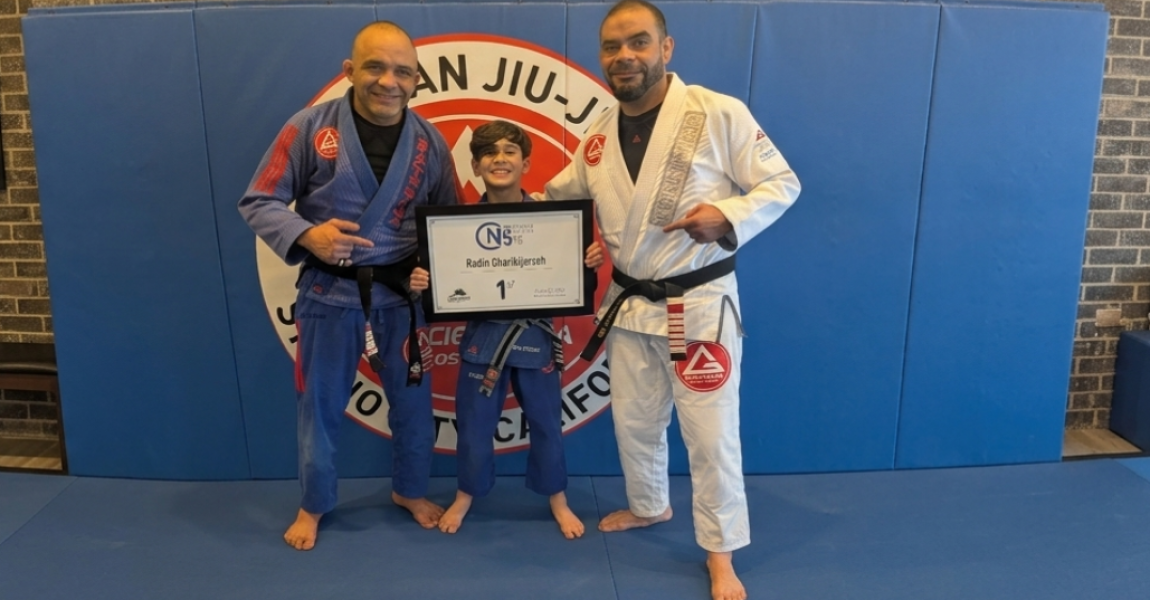
For many people starting a fitness journey, the default approach is a traditional gym routine—lifting weights, using machines, or following repetitive workout splits. While these methods can improve strength and endurance, they often lack long-term engagement and a clear sense of progression. Over time, it’s common for individuals to feel stuck in routines that don’t evolve. The focus remains on physical output, sets, reps, and calories burned, without a deeper connection to learning or development.
Skill-based training offers a different approach. Instead of repeating the same movements, it emphasizes learning techniques, improving coordination, and progressing through structured systems. Martial arts training, including Muay Thai and Brazilian Jiu-Jitsu, is a strong example of this model. This blog explores why skill-based training provides more sustainable, engaging, and meaningful benefits compared to traditional gym workouts.
Understanding Skill-Based Training vs Traditional Workouts
Traditional gym workouts are typically built around isolated movements, targeting specific muscle groups through structured sets and repetitions. While effective for strength development, they often operate in a predictable and repetitive format. Skill-based training, on the other hand, combines physical activity with continuous learning.
Every movement has a purpose tied to technique, timing, and execution. Students are not just exercising; they are developing specific skills. This dual engagement, mental and physical, creates a more complete training experience. Instead of simply completing a workout, students actively participate in a process of improvement.
Why Skill-Based Training Keeps Students More Engaged
One of the most significant advantages of skill-based training is its ability to maintain engagement over time.
Each session introduces new techniques or builds on previous ones, giving students something to focus on beyond physical effort. This ongoing learning process keeps training interesting and prevents the monotony often associated with gym routines. Variety in drills, partner work, and technique application ensures that no two sessions feel identical. As a result, students remain mentally invested, which directly supports consistency.
How Skill-Based Training Improves Coordination and Awareness
Unlike isolated gym exercises, skill-based training focuses on connected, functional movement that engages the entire body. Students develop better timing and rhythm through repeated practice of techniques. Balance and control improve as movements require stability and precision. Spatial awareness is enhanced, helping students understand positioning and movement in relation to their surroundings.
These improvements come from training the body to function as a coordinated system rather than as separate parts. Over time, this leads to greater movement efficiency not only during training but also in everyday activities such as walking, lifting, or reacting to sudden changes in the environment.
Transform Your Fitness Journey—Book a Free Trial Class!
The Role of Structured Progression in Skill Development
A key feature of skill-based training is its structured progression. Students begin with foundational techniques and gradually advance to more complex movements, with each class building on previously learned skills to create a clear and logical pathway for improvement. This approach ensures that techniques are developed correctly from the start, reducing the risk of poor habits while supporting steady growth.
As students continue training, progress becomes measurable over time, which helps maintain motivation and reinforces a sense of achievement. Instead of guessing what to do next or repeating the same routine, students follow a system designed to guide long-term development in a consistent and purposeful way.
Why Skill-Based Training Feels More Purposeful
In traditional gym settings, exercises can sometimes feel disconnected from real-world application, where completing a set improves strength but the purpose behind the movement is not always clear. In skill-based training, every technique has a clear reason, whether it relates to self-defense, control, or positioning. Students understand why they are performing each movement, which creates a stronger connection to the training process.This sense of purpose makes training more goal-oriented rather than repetitive. Instead of simply “working out,” students develop practical abilities that carry real-world relevance.
How Skill-Based Training Supports Mental Focus
Skill-based training requires active concentration. Students must:
- Listen carefully to instruction
- Execute techniques with precision
- Adapt to different training scenarios
This level of involvement improves focus and cognitive engagement. Learning combinations, sequences, and responses develops problem-solving skills and situational awareness. As a result, training becomes as much a mental exercise as it is a physical one.
Why Traditional Gym Workouts Can Feel Repetitive Over Time
While gyms provide flexibility and access to a wide range of equipment, the overall structure often relies heavily on repetition. Over time, exercises can begin to feel routine and predictable, which may reduce motivation and make workouts less engaging. Without enough variation or a clear sense of progression, individuals may also experience plateaus, where improvement slows or becomes difficult to measure. When training lacks engagement or a defined path for development, maintaining long-term consistency can become a challenge for many people.
How Skill-Based Training Encourages Long-Term Consistency
Consistency is one of the most important factors in achieving fitness results. Skill-based training naturally supports consistency because students return with a purpose, to learn, improve, and progress. Each session contributes to a larger journey rather than serving as an isolated workout. Structured repetition ensures that skills are reinforced while still evolving over time. This balance keeps training both familiar and challenging. As training becomes part of a routine, long-term commitment becomes more sustainable.
How Skill-Based Training Benefits Different Age Groups
Skill-based training is highly adaptable, making it suitable for a wide range of age groups and fitness levels. For adults, it supports mobility, coordination, and controlled movement, helping the body move more efficiently and with less discomfort. As movement improves, confidence tends to follow, making training both physically and mentally rewarding. For younger students, skill-based training plays an important role in developing discipline, focus, and physical awareness from an early stage. The structured nature of training helps them stay engaged while building habits that support long-term growth.
Across all age groups, training can be adjusted to match individual ability, ensuring that each student progresses at a pace that suits them. The emphasis remains on safe, controlled development, with a strong focus on maintaining long-term health and improving overall movement quality. This makes skill-based training a practical and sustainable option for anyone looking to stay active while continuing to improve over time.
What Students Can Expect From Skill-Based Training at Gracie Barra Studio City
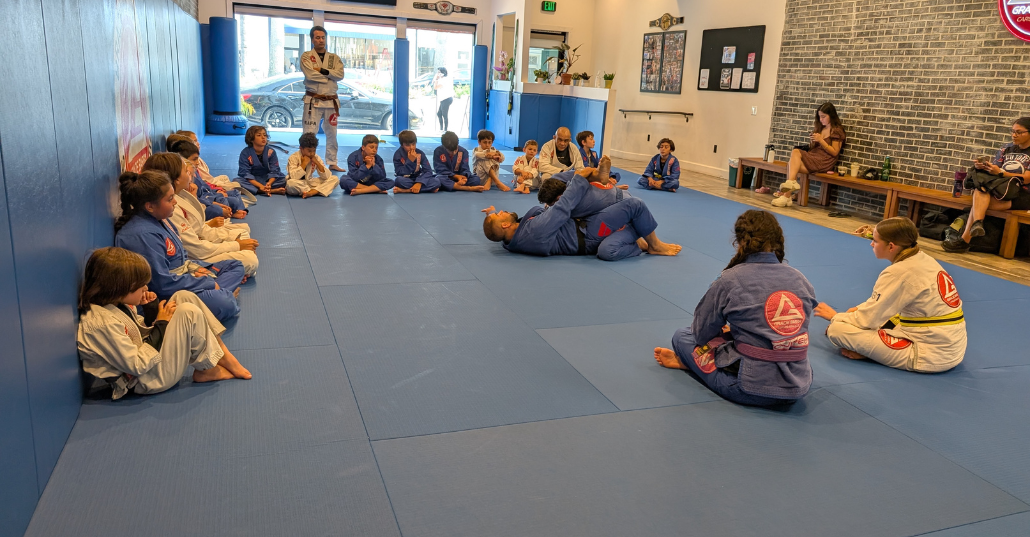
At Gracie Barra Studio City, training is structured around consistency, clear progression, and long-term development. Each class is carefully designed to help students build technique step by step, ensuring that learning feels manageable and purposeful rather than overwhelming. Instructors provide ongoing guidance and support throughout the process, helping students refine their movements and understand each technique in detail.
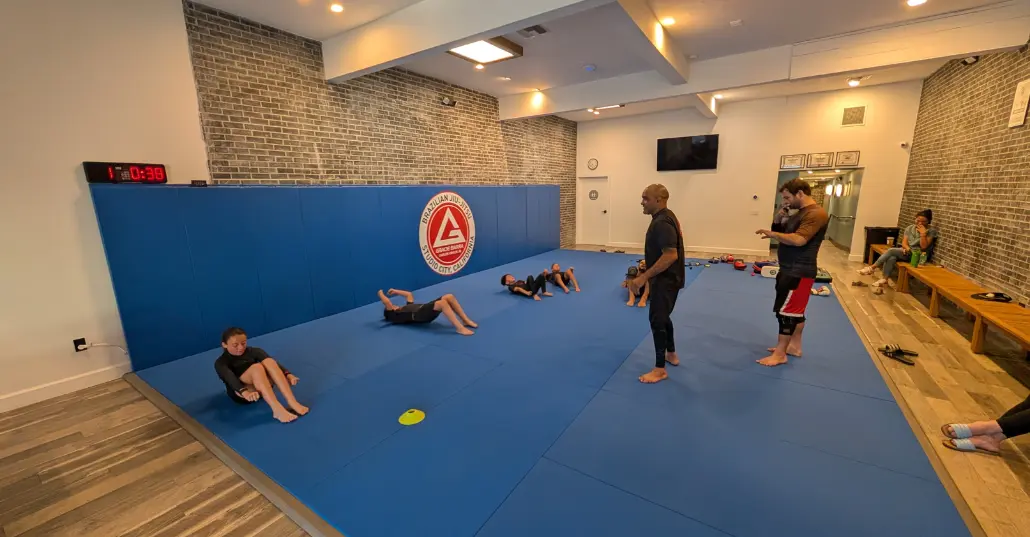
The training environment is clean and organised, allowing students to focus fully on their development without distractions. Programs are tailored to suit different age groups and experience levels, making the training accessible whether someone is just starting out or looking to advance their skills. Regardless of where a student begins, the overall approach remains the same, steady, structured progress that supports long-term improvement.
Step Onto the Mat and Start Your BJJ Adventure!
Conclusion
Skill-based training offers a more engaging and sustainable alternative to traditional gym workouts. By combining physical activity with continuous learning, it creates a training experience that evolves over time. The emphasis on structure, progression, and purpose helps students stay consistent and motivated.
Instead of repeating the same routines, they build skills that improve both physical ability and mental focus. For those in Studio City and surrounding areas, exploring martial arts training can be a practical way to achieve long-term fitness while developing meaningful skills.
Frequently Asked Questions
Skill-based training focuses on learning techniques, improving coordination, and progressing through structured systems rather than simply performing repetitive exercises.
Martial arts combines physical training with skill development, mental focus, and real-world application, while gym workouts often focus on isolated strength or conditioning exercises.
Yes. Most programs are designed to start with fundamentals, making it accessible for individuals with no prior experience.
For many people, yes. Martial arts provides strength, conditioning, and functional movement while also offering additional benefits like coordination and self-defense skills.
Training two to three times per week is generally enough to see steady improvement, especially when consistency is maintained over time.